
Table of Contents
Why Am I Still Bloated After Taking Probiotics? What Finessa’s Gut-Liver Approach Actually Offers
Disclosure: This article contains affiliate links. If you purchase through my link, I may earn a commission at no extra cost to you.
You started the probiotic because someone told you it would fix your gut. Weeks later, your stomach still feels tight by evening. You start wondering if you did something wrong, or if probiotics just don’t work for you. One person on Mumsnet put it simply: “My stomach gets quite bloated in the evenings,” even after investigations ruled out anything serious. That frustration is the starting point for this review.
Why You’re Still Bloated Even Though You’re Taking Probiotics
A poster on Mumsnet described a pattern many people search for online. That poster reported bloating that shows up in the evenings, with doctors finding nothing seriously wrong after tests. No diagnosis. No clear answer. Just a stomach that swells up anyway.
To be clear about scope, this article covers everyday bloating and irregularity tied to diet, stress, and lifestyle. It is not about diagnosed irritable bowel syndrome (IBS), inflammatory bowel disease, or celiac disease. Those conditions need medical management, not a supplement review.
The Cleveland Clinic notes that functional bloating can come from gas, diet, or how your gut moves food. It can happen without any structural problem showing up on a scan. That distinction matters. Taking a probiotic and still feeling bloated does not automatically mean you have IBS or a serious digestive disease.
And the worst part is you don’t always get an explanation. You just get told your tests are normal, and you’re sent home to keep guessing.
When “Sluggish” Digestion Becomes a Daily Frustration
This kind of bloating rarely stays a once-in-a-while problem. It becomes something you plan around: looser clothes by 4pm, skipping meals before social plans, feeling tired for no clear reason.
One person in a Daily Strength discussion for people with suspected IBS described trying a probiotic combined with spirulina. That poster reported the combination had “no effect” after more than a week of daily use. That poster’s situation was not a confirmed IBS diagnosis, so treat it as an adjacent, not identical, experience.

You may have already tried cutting dairy, adding fiber, or drinking more water. Those steps often help a little and then stall. That stalling out is what pushes people to look past probiotics alone for a different angle.
The Gap Most Probiotic Advice Misses: The Gut-Liver Connection
Here’s what most probiotic advice gets wrong: it treats bloating as only a bacteria problem. According to Finessa’s official product page, the company’s approach is built on a different idea, sometimes called the gut-liver connection. The premise is that digestion depends not just on gut bacteria, but also on how well your liver handles bile and processing.
We looked for independent research on this specific combination. We did not find independent clinical research in the sources checked on July 17, 2026. None of it confirmed that a combined gut-liver supplement resolves bloating in people without a diagnosed liver condition. This is the vendor’s own framing for why Finessa exists, not an independently confirmed mechanism. It’s worth knowing that distinction before you decide if the logic makes sense for your situation.
What’s Actually in Finessa (And What We Could Verify)
Finessa is sold as a powder you mix into water each morning, not a capsule or tablet. According to the official product page, the formula lists eight ingredients. Those are Taraxacum (Dandelion), Silymarin (Milk Thistle), Cascara Sagrada, Cynara Scolymus (Artichoke), Turmeric, Licorice Extract, Probiotics, and Polyphenols.
What we could not verify matters just as much as what’s in the blend. The product page does not disclose the dose of each individual ingredient. That means there is no way to check it against research on effective amounts. There is no visible Supplement Facts panel breaking down milligrams per serving.
Several of these ingredients have general research behind them in isolation. Milk thistle and dandelion are commonly studied for liver support, and turmeric and artichoke show up often in digestive-health research. None of that tells you how they behave combined, at undisclosed doses, as a finished daily powder. Ingredient-level studies do not automatically prove that a finished blend works the way the sales page implies.
Official offer
Want to review Finessa for yourself?
See the product details, current pricing, and vendor terms before deciding.
Affiliate link · Price, availability, and terms may change.
Cascara Sagrada: A Safety Concern You Need to Know Before You Buy
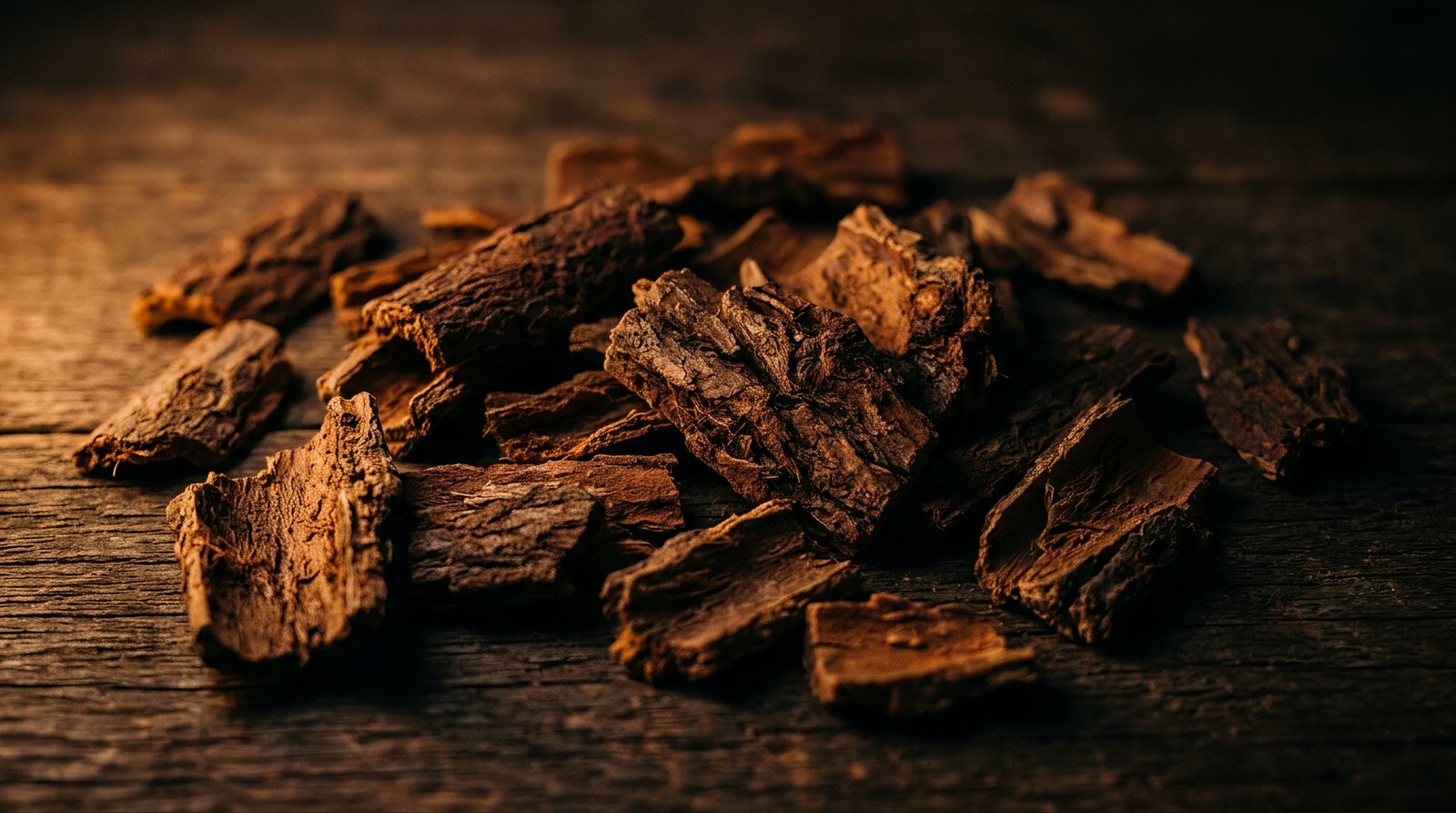
One ingredient in Finessa deserves its own section, not a footnote. Cascara Sagrada is a stimulant laxative made from buckthorn bark. It is not a gentle addition to a wellness powder.
In 2002, the FDA ruled that cascara sagrada is not “generally recognized as safe and effective” for use as an over-the-counter laxative. Manufacturers were told to remove it from OTC laxative products or prove safety and effectiveness.
The safety concerns go beyond that ruling. NCBI’s LiverTox database documents cases of liver injury linked to cascara sagrada, including both hepatocellular and cholestatic patterns. It notes cascara sagrada should only be used short-term, under one week.
Memorial Sloan Kettering’s herb database adds that cascara sagrada carries risks of electrolyte imbalance and liver toxicity. It also flags drug interactions through effects on a transport protein called P-glycoprotein.
Here’s the contradiction you need to sit with. Finessa is designed to be mixed into water and taken every morning, indefinitely, as a daily routine. The safety guidance on its own stimulant-laxative ingredient says the opposite: short-term use only, under a week.
If you are pregnant or breastfeeding, talk to a doctor before considering a cascara-containing product. The same applies if you have any liver condition, take prescription medications, or have a history of bowel obstruction or inflammatory bowel disease. This is not a “check with your doctor if you feel like it” caveat. It’s a direct safety flag from independent medical sources.
Who Finessa Might Be Worth Considering For (And Who Should Steer Clear)
Your bloating may be tied to diet, occasional constipation, or stress. If you have already ruled out serious conditions with a doctor, you may be the kind of person weighing an option like this. Even then, the cascara sagrada concern above should factor into that decision, not get skipped past.
This is not the right fit if you have diagnosed IBS, inflammatory bowel disease, celiac disease, or any liver condition. It is also not appropriate if you take regular prescription medication without checking for interactions first.
If your symptoms have gone on for years without a diagnosis, that’s a signal to see a gastroenterologist, not just try another supplement. One Patient.info community member described four years of chronic constipation while waiting for a GI referral. That level of persistence needs a doctor’s workup, not a powder.
Official offer
Considering Finessa?
Check the current offer and refund terms directly on the vendor’s sales page.
Affiliate link · Price, availability, and terms may change.
Pricing, Guarantee, and What You’re Actually Paying For
According to the official product page, Finessa is sold in three package sizes. One bottle, a 30-day supply, costs $59 plus shipping. Three bottles, a 90-day supply, cost $147 plus shipping. Six bottles, a 180-day supply, cost $234 with free shipping in the US.
The company backs purchases with a 180-day money-back guarantee, according to the same page. That’s a long window compared to many supplements. It gives you time to decide if it’s making a real difference for you.
None of that pricing tells you whether the formula works as described. A generous return window lowers your financial risk if you try it. It does not change the fact that per-ingredient doses and independent trials are still missing.
Our Honest Verdict on Finessa
Finessa combines eight ingredients that individually show up in digestive and liver-support research. It’s mixed into a daily powder with no disclosed per-ingredient dosing. That’s the core limitation of this review. Without a dose breakdown, we cannot confirm the formula matches the amounts used in any of the studies behind its individual ingredients.
The bigger issue is Cascara Sagrada. Safety sources say a stimulant laxative like this should be used for under a week. Packaging it into a supplement meant for daily, ongoing use is a real mismatch worth taking seriously.
Given the missing dosage information and the cascara sagrada safety gap, there is insufficient evidence to strongly recommend Finessa for daily long-term use. If you’re still considering it, read the safety section above again. Talk to a doctor first, especially if you have any liver history or take regular medication.
Official offer
Ready to take a closer look at Finessa?
Review the complete offer and verify the latest price before making your decision.
Affiliate link · Price, availability, and terms may change.
Frequently Asked Questions
Is Cascara Sagrada in Finessa safe to take every day? Independent safety sources say no. NCBI’s LiverTox database recommends short-term use only, under one week, due to liver injury risk. Daily long-term use is not what the safety data supports.
Why am I still bloated even after taking probiotics for weeks? Bloating can come from several sources beyond gut bacteria, including diet, gas, and how your gut moves food, according to the Cleveland Clinic. A probiotic alone may not address every cause.
Does the gut-liver connection actually work for bloating relief? This is Finessa’s own framing for why the formula includes liver-support ingredients alongside probiotics. We did not locate independent clinical trials in the sources checked on July 17, 2026 confirming this combination relieves bloating.
How is Finessa different from a regular probiotic supplement? According to the official product page, Finessa adds liver-support botanicals like milk thistle and dandelion, plus cascara sagrada, on top of probiotics. That mix is different from a standard probiotic capsule, but different does not mean it works better.
Who should not take Finessa? Anyone who is pregnant or breastfeeding should talk to a doctor first, based on the cascara sagrada safety data from NCBI. The same applies to anyone with a liver condition, regular prescription medication, or diagnosed IBS or inflammatory bowel disease, per the MSKCC herb database.
Leave a Reply