
Table of Contents
Forgetting Names Mid-Conversation? What Brainwave Entrainment for Memory Loss Can (and Can’t) Do
Disclosure: This article contains affiliate links. If you purchase through my link, I may earn a commission at no extra cost to you.
You’re mid-sentence in a meeting and the thread of your own thought disappears. You reach for a common word and it just isn’t there. Maybe it happens on a phone call with family, and you forget what you were saying halfway through. Sound familiar? If everyday forgetfulness has started to worry you, you’re not imagining it, and you’re not the only one searching for answers.
Why Am I So Forgetful Lately?
Forgetting a name mid-introduction is embarrassing. Losing your train of thought in front of your own team can feel worse.
A 58-year-old forum poster described words coming out wrong, needing a few tries to find the right one, in a post on AgingCare.com.
A 50-year-old poster who runs a company, self-identified as Mike Evans, wrote that he gets frustrated in meetings trying to remember the thread of his own discussion. He said he feels “totally stupid,” which is hard when you run a business, according to his post on the Alzheimer’s Society forum.
Another poster, in their late 30s, wrote that they weren’t sure what was happening, and that it was scaring them, in a thread on the same Alzheimer’s Society forum.
The practical problem is annoying. The emotional cost is heavier. It’s the fear that something is seriously wrong, and the embarrassment of stumbling through a sentence you know by heart.
And the worst part is, you can’t just decide to remember better.

When Everyday Forgetfulness Starts to Feel Like Something More
Not all forgetfulness means the same thing. The National Institute on Aging explains that occasional forgetfulness, like misplacing keys or blanking on a word, is a normal part of aging. It’s different from signs that call for a medical evaluation.
That distinction matters, because sometimes a treatable cause is hiding behind the panic. One commenter in their mid-40s described being “so incredibly forgetful” that they cried in their doctor’s office, according to a post on the same AgingCare thread. In that case, the cause turned out to be a B12 deficiency, not dementia. It’s a reminder that forgetfulness sometimes has a fixable root, separate from the memory changes this article focuses on.
You may have already tried sleeping more, cutting caffeine, or using reminder apps. If none of it stuck, that frustration is valid.
This article is not medical advice. If forgetfulness is disrupting your daily life or comes with other symptoms, talk with a doctor before trying any product.
Why “Just Take a Memory Supplement” Doesn’t Always Work
Here’s what a lot of people get wrong about memory supplements: assuming a bottle on a pharmacy shelf must be backed by solid science.
In 2024, a jury found that Quincy Bioscience’s marketing for its supplement Prevagen was materially misleading, according to the FTC’s statement on the case. The FTC had originally charged the company back in 2017 with making deceptive memory and cognitive improvement claims, as described in the FTC’s 2017 release.
One Amazon reviewer summed up the frustration: “Took faithfully for 6 months. Only thing that improved was Quincy Bioscience’s revenue,” as quoted by an independent review site.
That history doesn’t mean every memory product is a scam. It does mean marketing claims and independent evidence are two different things. It’s worth checking both before you spend money.
What Is Brainwave Entrainment, and How Is It Supposed to Help Memory?
Brainwave entrainment is the idea that listening to specific sound patterns, like pulsing tones at a set frequency, may encourage your brain’s electrical activity to sync with that rhythm. Programs built around this idea often target gamma waves, a frequency band researchers associate with attention and memory processing.
A very small pilot study tested whether 40Hz gamma stimulation could influence markers linked to memory and cognition. Only nine adults took part, and the study did not specify that they were older adults. On the memory measure, the result reached statistical significance, with a reported p-value of 0.0027, according to the study published on PMC. A separate cognition score in the same study did not reach significance, with a p-value of 0.076, per the same PMC study. In plain terms, the cognition finding could have happened by chance. With a sample this small, even a significant memory result needs replication before it means much for the general population.
A broader 2023 systematic review of binaural beats research found the existing studies were small and inconsistent in design. The authors say that makes it hard to draw firm conclusions about real-world benefits, according to the review on PMC.
So brainwave entrainment is a real research direction, not a proven memory fix. Early evidence suggests it may be worth studying further, but it has not been established as effective for memory loss.
This is the category The Brain Song audio program falls into. The vendor states it’s built around gamma-wave entrainment, not a pill or a capsule.
Official offer
Want to review The Brain Song for yourself?
See the product details, current pricing, and vendor terms before deciding.
Affiliate link · Price, availability, and terms may change.
What’s Inside The Brain Song
A note on sourcing: the official sales page for The Brain Song sits behind a security check that blocked direct access while researching this article. Everything below comes from secondary sources, not a firsthand read of the vendor’s own page.
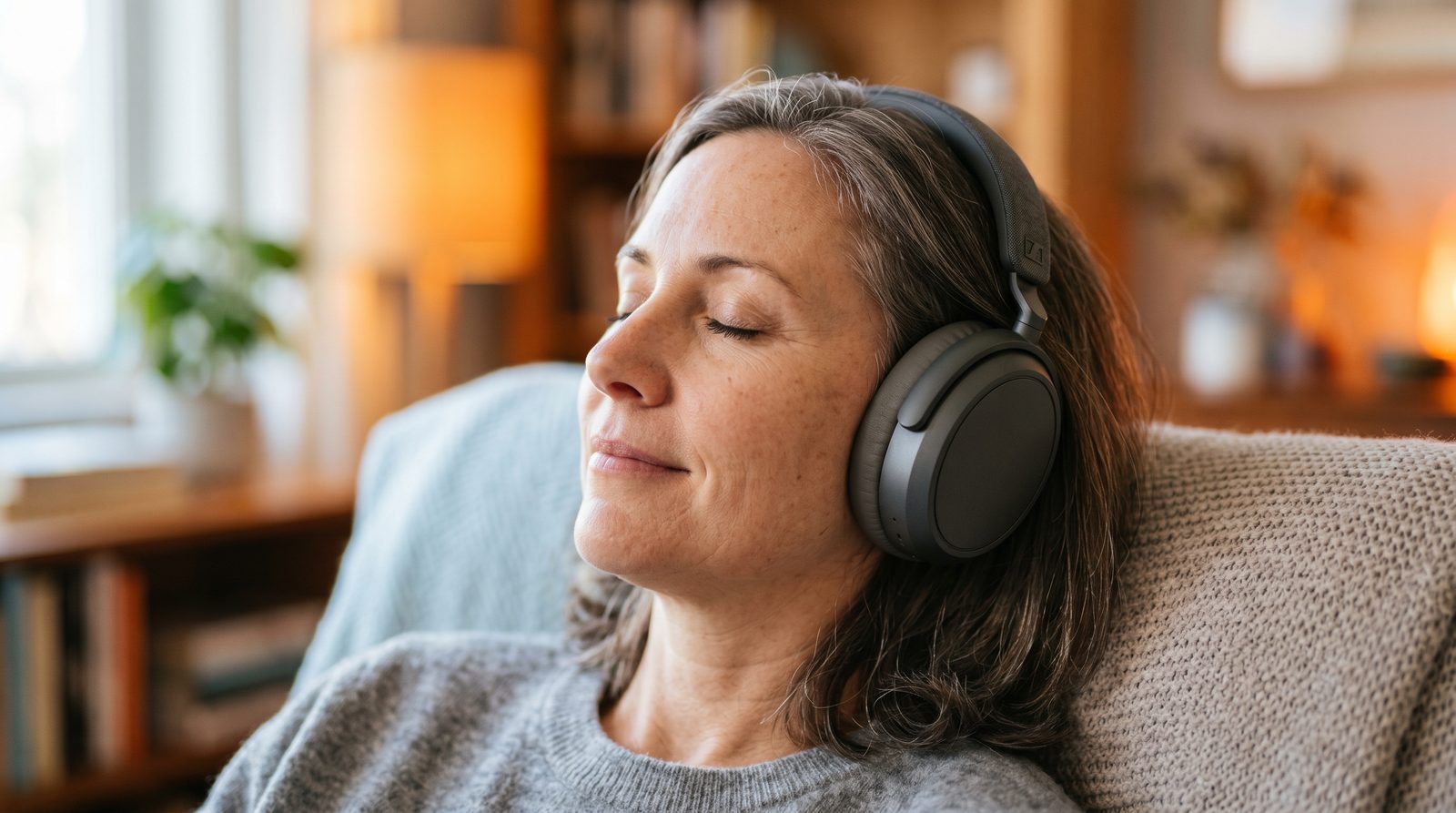
Based on those sources, The Brain Song is a downloadable audio program, not something you swallow. It consists of MP3 tracks, generally described as running 12 to 17 minutes, meant to be played through headphones during a quiet listening session.
The program is built around gamma-wave entrainment, a mechanism the vendor states is designed to encourage neuroplasticity and support memory consolidation. That is the vendor’s claim, not an independently confirmed outcome specific to this product.
The creator is described in marketing materials as a “NASA-trained neuroscientist.” We could not independently verify that credential through a neutral, third-party source. Treat it as a claim rather than a confirmed fact.
Pricing according to Cognitive Wellness Lab’s review ranges from $49 to $69, with a stated 90-day refund window processed through ClickBank.
One limitation worth knowing before you buy: an independent review site noted that some buyers expected an app, an interactive course, or a physical device. They were surprised to receive just an audio file, according to Cognitive Wellness Lab’s review.

If you’re picturing capsules or a gadget, this product is neither.
Who The Brain Song Is (and Isn’t) a Good Fit For
Because we could not verify independent, product-specific research or confirm the creator’s stated credentials, we can’t tell you definitively that this product is right for you.
What we can say: if you’re generally healthy, curious about brainwave entrainment as a research topic, and comfortable trying a low-tech audio routine, this is the kind of product you might want to research further before deciding.
If you have a diagnosed cognitive condition such as dementia, Alzheimer’s disease, or mild cognitive impairment, this article and this product aren’t built to address that. Talk with a doctor about diagnosis and treatment options instead, as the Mayo Clinic explains.
If you have a seizure disorder or another condition affected by rhythmic audio or light stimulation, check with a doctor before using any entrainment-based audio program.
Official offer
Considering The Brain Song?
Check the current offer and refund terms directly on the vendor’s sales page.
Affiliate link · Price, availability, and terms may change.
Frequently Asked Questions
Why am I so forgetful lately? Occasional forgetfulness, like blanking on a word or misplacing your keys, is a normal part of aging for many adults, according to the National Institute on Aging. It becomes worth a doctor’s visit when it disrupts daily life or comes with other symptoms, per the same source.
Do binaural beats actually help with brain fog and memory? The research is mixed. A 2023 systematic review found existing binaural beats studies were small and inconsistent, making it hard to draw firm conclusions, according to the review on PMC. Brain fog is not the same condition as age-related forgetfulness, so results for one don’t automatically apply to the other.
Is there a natural way to improve memory without pills? Lifestyle factors like sleep, physical activity, and managing existing health conditions are commonly recommended starting points, according to the Mayo Clinic. Audio-based approaches like brainwave entrainment are being studied as a non-drug option, though the evidence so far is early and mixed, as noted in the PMC review above.
Does The Brain Song really work for memory? We did not locate independent, product-specific clinical trials for The Brain Song in the sources checked on July 15, 2026. General gamma-entrainment research exists, but it studies the mechanism broadly, not this specific audio program.
What do The Brain Song reviews say? An independent review site reported that some buyers were surprised the product was only an audio file, not an app or a device, according to Cognitive Wellness Lab. We did not find a large, independently verified body of customer reviews beyond that source.
The Honest Verdict on The Brain Song
The idea behind The Brain Song sits inside a real, if still early, area of research. Gamma-wave entrainment for memory shows some early signals in small studies, but nothing close to settled science, based on the pilot study and systematic review cited above.
For The Brain Song specifically, we could not verify independent clinical testing, confirm the creator’s stated credentials, or access the vendor’s own sales page directly. That leaves a real gap in the evidence.
One genuine limitation stands out: there is no independently published, product-specific trial showing this audio program improves memory in people dealing with everyday forgetfulness.
Given that gap, we can’t tell you this product is proven to work. What we can tell you is what the program claims to be, what it costs, and what the vendor states about its refund policy. That way, you can make your own call with clear information instead of marketing copy.
Official offer
Ready to take a closer look at The Brain Song?
Review the complete offer and verify the latest price before making your decision.
Affiliate link · Price, availability, and terms may change.
Leave a Reply