Table of Contents
How to Prevent Muscle Loss As You Age: A Nutrition-First Guide
You notice it in small ways first. Jars feel harder to open. Stairs leave you more winded than they used to. Your arms look a little smaller in the mirror, even though your weight has not changed much. If you are wondering how to prevent muscle loss as you age, you are not imagining things. You are also not alone. Muscle loss is a normal part of aging. But the pace and severity of that loss depend a lot on daily habits, especially diet. This guide focuses on the nutrition side: how much protein you actually need, which foods help, and which daily habits are worth building now.
This article is for general education and is not medical or nutritional advice. Talk to a doctor or registered dietitian before making big changes to your diet, especially if you have a health condition.
What Is Sarcopenia? The Warning Signs of Age-Related Muscle Loss
The medical term for age-related muscle loss is sarcopenia. The Cleveland Clinic describes it as a gradual, natural decline in muscle mass, strength, and function. It notes that this decline can begin in your 30s or 40s and often picks up speed after age 65.
Sarcopenia does not usually announce itself with one dramatic moment. It shows up as a series of small changes over months or years. Common signs of age-related muscle loss include a weaker grip when opening jars, more fatigue after routine tasks, and a slower walking pace. Clothing may also fit looser around the arms and thighs, even without any real weight loss.
Balance can become less steady too, since muscle plays a direct role in stability. None of these signs mean something is uniquely wrong with you. They are common. They are also worth acting on early, because daily habits can help slow the pattern before it becomes harder to manage.
How Fast Does Muscle Loss Actually Happen?
Muscle loss does not begin at 60 or 70. According to Ohio State Health, adults can lose roughly 3 to 5 percent of their muscle mass per decade starting around age 30. That is one reason to start learning how to prevent muscle loss as you age well before you notice symptoms.
The pace tends to pick up in midlife. University Hospitals reports that muscle loss can accelerate to roughly 0.5 to 1 percent per year during this stage. Strength often declines even faster than muscle size does.
That last point matters. You can lose functional strength before you ever notice a visible change in muscle size. This is one reason the mirror alone is not a reliable way to track this. Consistent daily habits tend to matter more than any single fix.
How Much Protein Do You Need to Prevent Muscle Loss After 50?
This is one of the most common questions people ask: how much protein to prevent muscle loss after 50 do you actually need? The standard RDA of 0.8 grams per kilogram of body weight was built to prevent deficiency in the general population. It was not designed to optimize muscle preservation in older adults.
Many researchers who study aging suggest a higher target. A peer-reviewed review of protein needs in older adults recommends roughly 1.2 to 2.0 grams per kilogram of body weight per day. This range is aimed at most healthy older adults. The same review also discusses meal-level thresholds, covered in the next section.
Many people find it easier to treat the lower end of that range, around 1.2 grams per kilogram, as a practical daily floor rather than aiming for the top right away. These are ranges drawn from expert analysis, not one universal rule. It is worth working out your own number with a doctor or registered dietitian.
One flag worth noting here: these higher protein targets assume normal kidney function. If you have diagnosed kidney disease, protein needs work differently. That is covered in detail later in this guide.
How to Spread Protein Across the Day
Total daily protein matters, but so does how you spread it out. This is where protein intake per meal for muscle preservation becomes relevant. The review above found that intakes below roughly 25 to 30 grams per meal may not fully stimulate muscle protein synthesis in older adults.
In practical terms, the Cleveland Clinic frames a workable everyday target as roughly 20 to 35 grams of protein per meal. Ohio State Health suggests a similar approach. It recommends aiming for about 20 to 30 grams spread across four meals or snacks a day. That beats saving most of your protein for dinner alone.
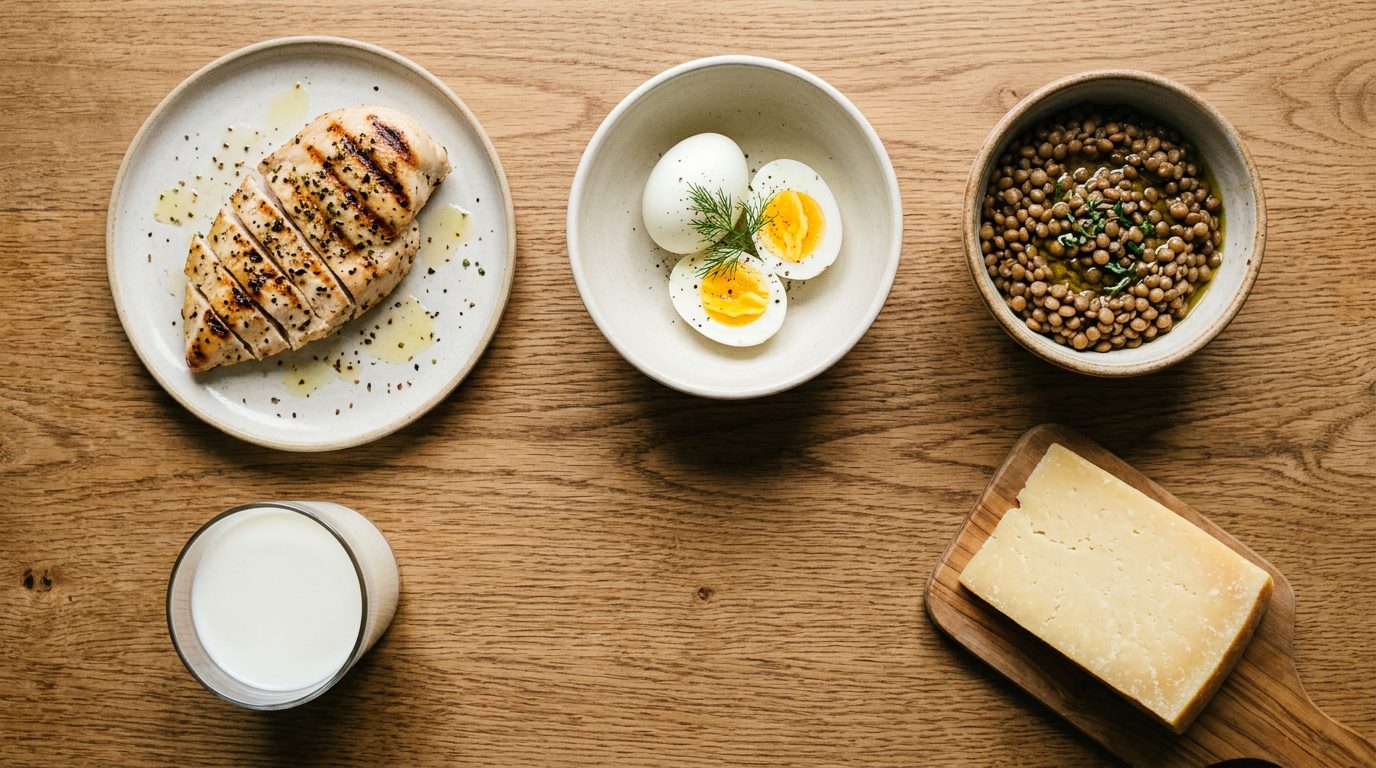
For many people, breakfast is the weakest link. A slice of toast and coffee might supply about 5 grams of protein. That falls well short of the per-meal threshold described above. Building breakfast around eggs, Greek yogurt, or a protein smoothie can close that gap without a major diet overhaul.
Best Food Sources for Preventing Muscle Loss and What Protein Quality Really Means
When people search for foods to prevent muscle loss with age, they often expect one “perfect” protein to matter most. The research paints a more balanced picture. The amino acid leucine is often highlighted for its role in muscle protein synthesis. But total daily protein intake appears to matter more than chasing one specific nutrient.
A peer-reviewed review comparing whey and soy protein supplementation in older adults found no meaningful difference in strength outcomes between the two. That suggests animal protein is not automatically superior to well-chosen plant sources, as long as total intake and meal distribution stay on track.
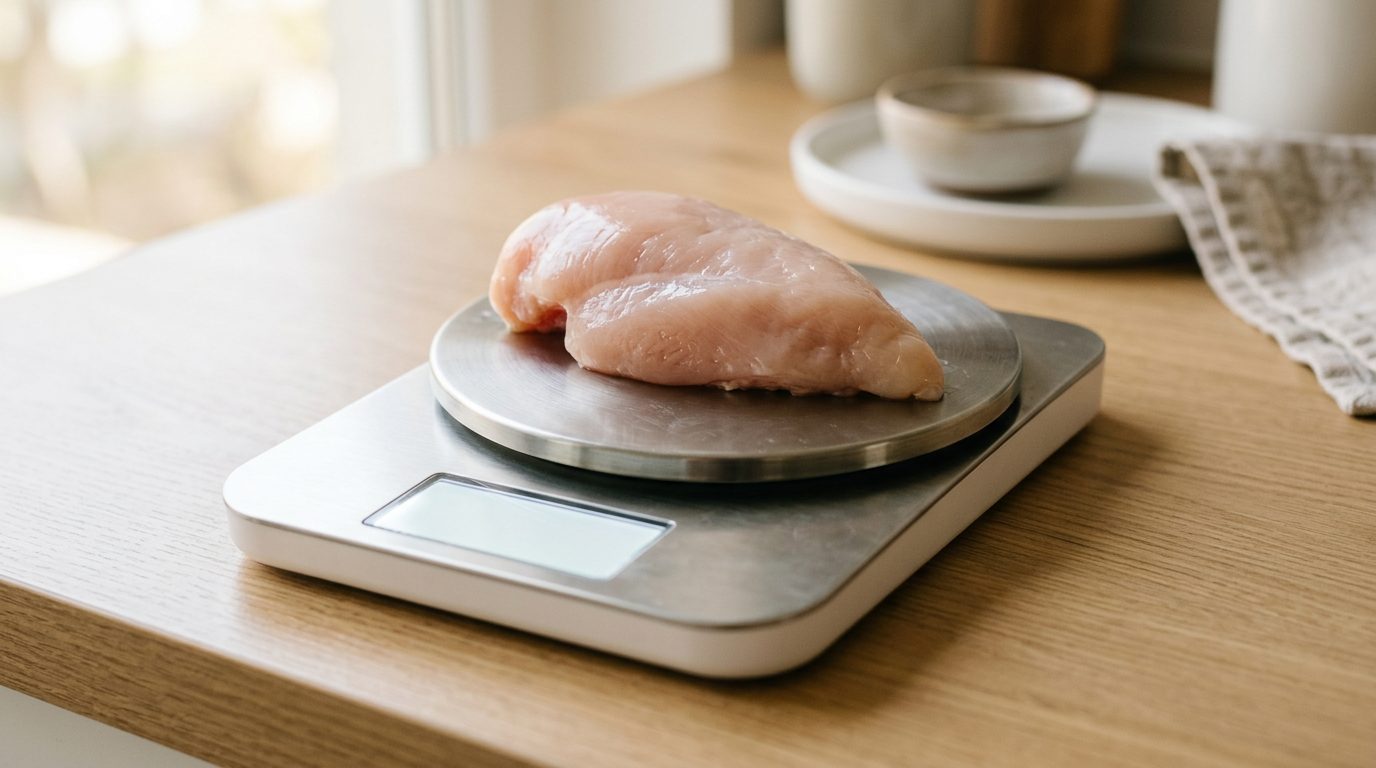
Good everyday sources include lean meats like chicken and turkey, fish, eggs, and dairy products such as milk, yogurt, and cottage cheese. Plant options like beans, lentils, tofu, and edamame also count. Mixing a few of these across the week tends to be more sustainable than relying on one food group alone.
The practical takeaway is simple. Instead of hunting for one perfect food, focus on hitting your per-meal and per-day protein targets consistently. Choose foods you actually enjoy and can afford.
Supporting Nutrients: Vitamin D and Omega-3
Protein is not the whole picture. Vitamin D and muscle loss prevention are frequently discussed together, and the connection is real, though it needs some nuance.
A study on vitamin D status and physical performance in older adults looked at this link closely. It found that better vitamin D status was associated with greater strength and performance. The same study found no association between vitamin D status and fall risk. It should not be framed as a fall-prevention strategy on its own.
Omega-3 fatty acids have also been studied for muscle health. Research on omega-3 supplementation and aging muscle found a modest benefit for muscle mass at higher doses, generally above 2 grams per day. That same research found no meaningful improvement in strength.
There is also early, mostly observational research linking Mediterranean-style eating patterns to better muscle outcomes in aging populations. This link has not been confirmed through controlled clinical trials yet. It is best treated as a promising pattern worth considering, not a fix on its own.
Why Diet Alone Isn’t Enough: Nutrition Needs a Training Partner
Here is the part that is easy to skip past. University Hospitals notes that nutrition alone tends to offer only modest improvements in muscle health. It also notes that combining adequate protein with regular exercise is critical for meaningfully slowing age-related muscle loss.
In other words, diet changes alone will not fully answer how to prevent muscle loss as you age. Resistance training, even in short, manageable sessions, appears to be the piece that makes protein intake actually count toward preserving strength.
If you want a structured, time-efficient resistance training program to pair with these nutrition habits, one option is worth a look. Our evidence-based review of the Old School New Body program weighs its claims against the available evidence.
Common Mistakes People Make When Trying to Prevent Muscle Loss
A few patterns show up again and again when people try to address this on their own.
Eating most of their protein at dinner. Loading up at one meal and eating very little protein at breakfast or lunch works against the per-meal thresholds described earlier.
Cutting calories too aggressively. Very low-calorie diets can cause the body to break down muscle tissue for energy. That works directly against your goal.
Skipping resistance exercise entirely. As covered above, protein without some form of strength training tends to produce limited results for muscle preservation.
Assuming supplements can replace whole foods. Protein powders can help close a gap. But whole foods typically bring along other nutrients, like the vitamin D and omega-3s discussed above, that a single supplement usually will not.
Waiting for a visible problem before making changes. Strength can decline before muscle loss is visible. Waiting for a clear warning sign often means starting from further behind.
Who Should Be Cautious and When to See a Professional
The protein targets in this guide are meant for generally healthy adults with normal kidney function. If you have diagnosed kidney disease, the picture changes significantly. The National Kidney Foundation explains that people with chronic kidney disease often need a different, and sometimes lower, protein intake. The right amount depends on the stage of disease and treatment plan.
If you have kidney disease, do not apply the general ranges in this article without guidance from your care team. A registered dietitian who specializes in kidney health can help set a target that fits your specific situation.
It is also worth seeing a doctor if you notice sudden or unexplained weakness, or unintended weight loss. The same goes if you manage a chronic condition that affects appetite or digestion. These situations call for individual medical evaluation, not general nutrition advice.
Frequently Asked Questions
How to prevent muscle loss as you age, in one sentence?
There is no single fix. But eating enough protein, spreading it across your meals, and doing regular resistance exercise are the habits most supported by current research.
How much protein to prevent muscle loss after 50 should I actually aim for?
Many experts suggest roughly 1.2 to 2.0 grams per kilogram of body weight per day for healthy older adults. Your personal target may differ based on health conditions, so a registered dietitian can help you set an exact number.
What are the earliest signs of age-related muscle loss?
Early signs often include a weaker grip, more fatigue with everyday tasks, and a slower walking pace. Clothing may also fit looser around the arms and legs, even without a change in weight.
Can I prevent sarcopenia naturally without supplements?
Whole food sources of protein, spread across the day, form the foundation of how to prevent sarcopenia naturally. Pairing that habit with regular resistance exercise may help many healthy adults over time. Supplements are optional, not required, for most people.
Is vitamin D alone enough to protect my muscles?
No. Research shows an association between vitamin D status and strength. But that same research found no link between vitamin D and fall risk, so treat it as one supporting factor, not a standalone solution.
Leave a Reply