
Table of Contents
Does SEPTIFIX Work for Septic Tank Smell? An Honest Review
Disclosure: This article contains affiliate links. If you purchase through my link, I may earn a commission at no extra cost to you.
You walk out to the yard and there it is again. That smell near the septic tank lid that wasn’t there last month. Maybe the toilet is draining slower than it used to. Maybe you just remembered it has been years since anyone pumped the tank, and now you’re doing quick math on what a service call might cost.
You start searching for a fix you can do yourself before calling anyone out. That search probably led you here, to a product called SEPTIFIX and the question of whether a box of tablets can actually change what’s happening underground.
When Your Septic Tank Smells Like Trouble — And the Bill Does Too
A septic tank problem rarely announces itself gently. It shows up as a smell, a slow drain, or a soggy patch in the yard that wasn’t there before.
One homeowner described what happens when pumping gets pushed off too long. They said crews “had to literally chop away the crust at the top which was at least a foot thick and very hard,” and the job “ended up costing almost as much that time than if we had just done smaller cleanings every few years,” according to a post on a septic forum thread.
That is the real cost most people are trying to avoid. Not just the smell, but the surprise bill that comes from ignoring a tank for too long.
The emotional weight here is less about the septic system and more about not wanting another expensive surprise. You are not being dramatic. You are trying to plan ahead before a small problem becomes a big one.
And the worst part is you can’t see any of this happening. The tank is buried. You only find out something is wrong once the smell or the backup shows up.

Does Any Additive Mean You Never Have to Pump Again?
Here’s what most people get wrong about septic additives. They hope one product will let them skip pumping entirely.
The Environmental Protection Agency addresses this directly. It states that the “use of these additives is not recommended for domestic wastewater treatment because there is already a significant presence of bacteria” in household wastewater, according to the EPA’s septic systems FAQ page.
The same page adds that “additive products can be ineffective or even harm system operation and the environment,” per the EPA.
People on septic forums have made similar points long before any product marketing got involved. One poster wrote, “I’m skeptical and would really like to see some solid research that these products are effective,” in a plumbing forum thread. Another poster in the same thread said, “I have never noticed any reduction in the sludge.”
A third poster in that thread put it plainly: “not pumping on a regulsr basis is the worst thing you can do,” per the same thread.
No additive changes the EPA’s basic guidance that tanks still need regular pumping. That single fact should shape how you read any product claim about additives, including SEPTIFIX.
What SEPTIFIX Actually Is (And What the Company Claims)
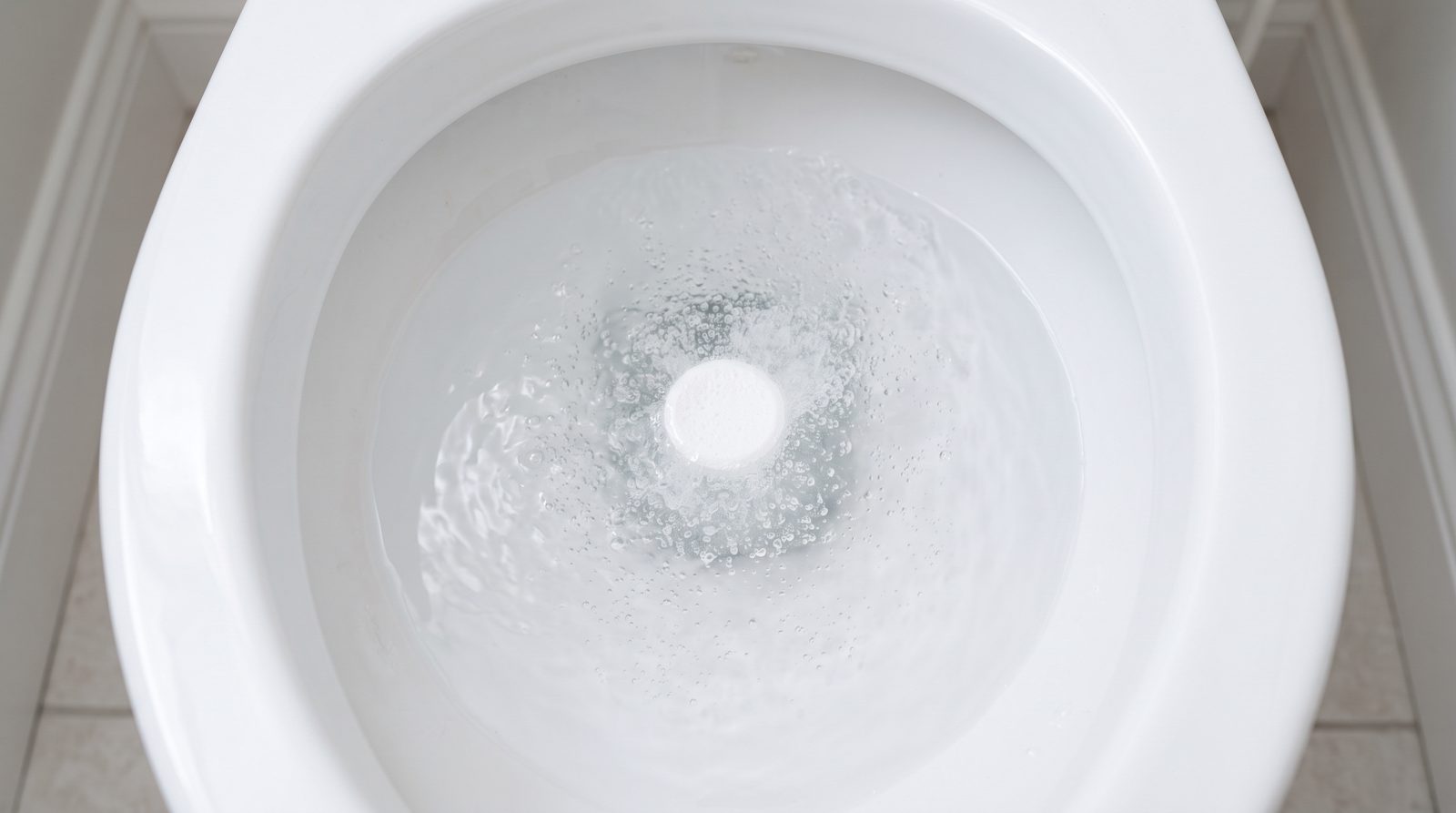
SEPTIFIX is a solid tablet, roughly 55 grams per tablet, meant to be dropped into a toilet and flushed so it can dissolve and travel into the septic tank.
According to the product’s own marketing, it contains 14 bacterial strains at a concentration the company lists as more than 10 billion per gram. These are vendor claims from the manufacturer, not figures verified by an independent lab that we could locate.
The company also states the tablet releases oxygen, up to 10 liters per tablet by its own description, and includes sodium carbonate as a pH buffer. Again, this is what the vendor says the product does, not an independent finding.
On timing, the company claims odor reduction “in 3 to 5 days” for some users. It also states the tablets are designed to break down organic waste and odor-causing compounds in the tank. We found no independent, product-specific study confirming these outcomes.
The most important thing to understand is that these are all manufacturer claims until proven otherwise by outside testing. That doesn’t mean they’re false. It means you should treat them the way you’d treat any label claim, with some healthy distance.
Official offer
Want to review SEPTIFIX for yourself?
See the product details, current pricing, and vendor terms before deciding.
Affiliate link · Price, availability, and terms may change.
What SEPTIFIX May Help With — And What It Can’t Do
Let’s be direct about the one thing that matters most here. SEPTIFIX, like any additive, is not a replacement for pumping your tank.
The EPA notes that household septic tanks are “typically pumped every three to five years,” according to its guidance on caring for your septic system. That schedule does not change because a tablet is added regularly.
A forum member made a similar point when discussing enzyme products. They said, “I do not think they do [work]… a normal septic system will just have bacteria by nature anyway,” in a post on a homesteading forum. A poster in the same discussion added, “pumping out the tank every few years is a better use of funds.”
Not everyone is skeptical. One person on the plumbing forum mentioned earlier said their tank “smells much better” after starting an additive routine, per the same thread. That is one anecdote from one household, not proof of how the product works for tanks in general.
Some homeowners hear this straight from the pros. On a home renovation forum, one homeowner relayed that a septic cleaner told them “NOTHING should be added/put in the septic tank as it causes problems”. Notably, that homeowner wasn’t sure whether to trust the advice, openly wondering whether the cleaner simply wanted more frequent service calls. It is a reminder that even professionals give conflicting guidance here.
This is the genuine limitation of SEPTIFIX and every product like it: none of them have been shown to remove the need for regular pumping. If a tank is already struggling, an additive is not a documented fix for that.
Pricing and Refund Policy — What You’re Actually Agreeing To
According to the product’s official site, SEPTIFIX is sold as a one-time purchase with no subscription. The listed options are a 6-month supply for $69, a 12-month supply for $118, and an 18-month supply for $147, with free shipping at the 18-month tier, per the official SEPTIFIX site.
The company advertises a 60-day refund policy described as “no questions asked.” Before you rely on that phrase, it’s worth reading the actual terms.
The official refund policy page states you must return every box you purchased, including boxes you already opened or used, to qualify for a refund. It also states the company deducts shipping and handling costs from your refund, and that you are responsible for paying to ship the product back.
That means the actual refund you receive will likely be less than the full amount you paid, and you will pay return shipping out of pocket. This detail matters more than the “no questions asked” headline suggests.
Official offer
Considering SEPTIFIX?
Check the current offer and refund terms directly on the vendor’s sales page.
Affiliate link · Price, availability, and terms may change.
Who SEPTIFIX Is (and Isn’t) a Fit For
This section is not a way to say the product will work for your tank. We could not verify independent, product-specific evidence of its effects, so we are not qualifying any reader as a good candidate for it.
What we can say is who should think twice before spending money on any septic additive. If your tank has not been pumped in over five years, an additive is not a documented substitute for that service, based on the EPA’s pumping guidance.
If you’re already seeing sewage backup, standing water, or a failing drain field, that calls for a professional inspection first. Additives are not a documented fix for a system that is already failing.
If you’re simply trying to support routine maintenance between pump-outs and you understand the refund terms, that’s a decision only you can weigh against the evidence gaps described above.
SEPTIFIX vs Rid-X — Quick Comparison
Rid-X is one of the more widely known septic additive brands, sold at most hardware and grocery stores, according to its official product site (checked 2026-07-19).
Both SEPTIFIX and Rid-X market themselves around bacteria or enzyme content meant to support waste breakdown in a tank. Neither company’s marketing claims have been verified by an independent, product-specific study that we could locate.
The clearest differences are availability and purchase format. Rid-X is sold in physical retail stores and online, while SEPTIFIX is currently sold only through its official site as a direct one-time purchase, per the official SEPTIFIX site.
Neither product changes the EPA’s guidance on how often a tank needs to be pumped, based on the EPA’s additive guidance.
My Honest Verdict
SEPTIFIX is a real, purchasable tablet with a clear price and a stated refund window. Those facts are verifiable.
What isn’t verifiable is whether the bacterial strains, oxygen release, or odor-reduction timeline the company describes actually happen the way the label claims. We did not locate independent, product-specific trials in the sources checked on 2026-07-19.
One real limitation stands out above the rest. The refund policy requires returning every box, even used ones, and deducts shipping costs, which makes the “no questions asked” framing misleading on its own.
Given these gaps, there is not enough verifiable information to recommend SEPTIFIX over regular professional pumping or over doing nothing at all. The EPA’s position remains the most solid piece of information here: tanks need to be pumped every few years regardless of what additives are used, per the EPA.
If you decide to look at the offer anyway, read the refund terms closely before you buy.
Disclosure: This article contains affiliate links. If you purchase through my link, I may earn a commission at no extra cost to you.

Official offer
Ready to take a closer look at SEPTIFIX?
Review the complete offer and verify the latest price before making your decision.
Affiliate link · Price, availability, and terms may change.
Frequently Asked Questions
Does SEPTIFIX actually reduce how often you need to pump your septic tank? There is no independent, product-specific evidence confirming this. The EPA states tanks still need pumping every three to five years regardless of additive use, per its care guidance.
Is SEPTIFIX safe to flush down a toilet? The company markets it as a flushable tablet designed to dissolve on its own, according to the official product site. We could not verify this claim independently.
How much does SEPTIFIX cost? Per the official site, pricing runs from $69 for a 6-month supply to $147 for an 18-month supply, as listed on the official SEPTIFIX site.
Can I get a full refund if SEPTIFIX doesn’t work for me? The company advertises a 60-day window, but the official refund terms require returning every box, including used ones, and deduct shipping costs from your refund.
What’s the difference between SEPTIFIX and Rid-X? Rid-X is widely sold in retail stores, while SEPTIFIX is sold only through its own website, per the Rid-X site and SEPTIFIX site (checked 2026-07-19). Neither has independent, product-specific efficacy studies that we could locate.
Leave a Reply