Table of Contents
Is The Self-Sufficient Backyard Worth It? An Honest Review
Disclosure: This article contains affiliate links. If you purchase through my link, I may earn a commission at no extra cost to you.
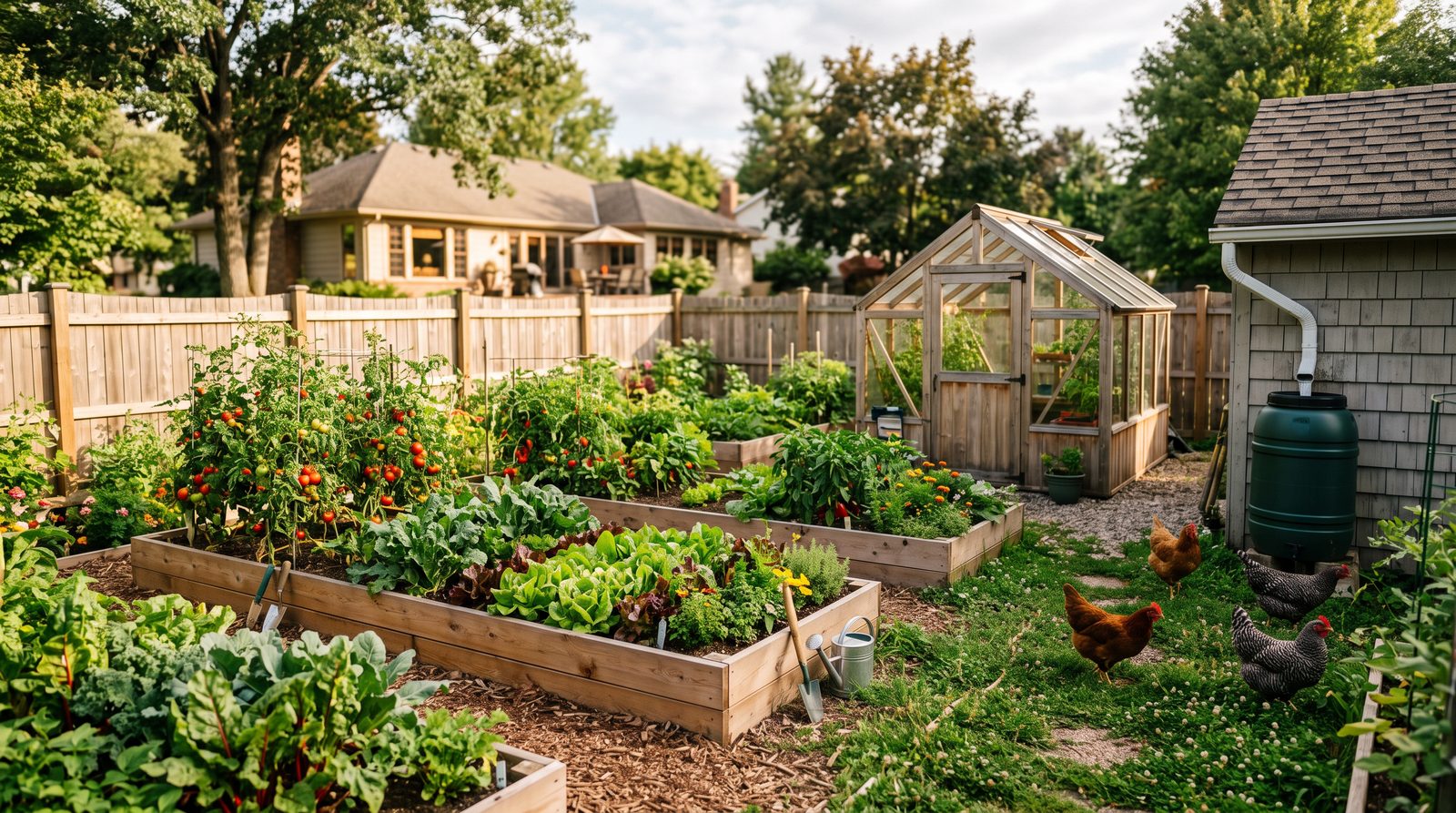
You bought a little land, or maybe you already have a backyard sitting mostly empty. You wanted a garden that actually fed you. Maybe some chickens. Maybe a rain barrel and a root cellar. But every time you sit down to plan, you freeze. There is too much to learn and no clear place to begin.
You Want to Start. You Just Don’t Know What to Do First.
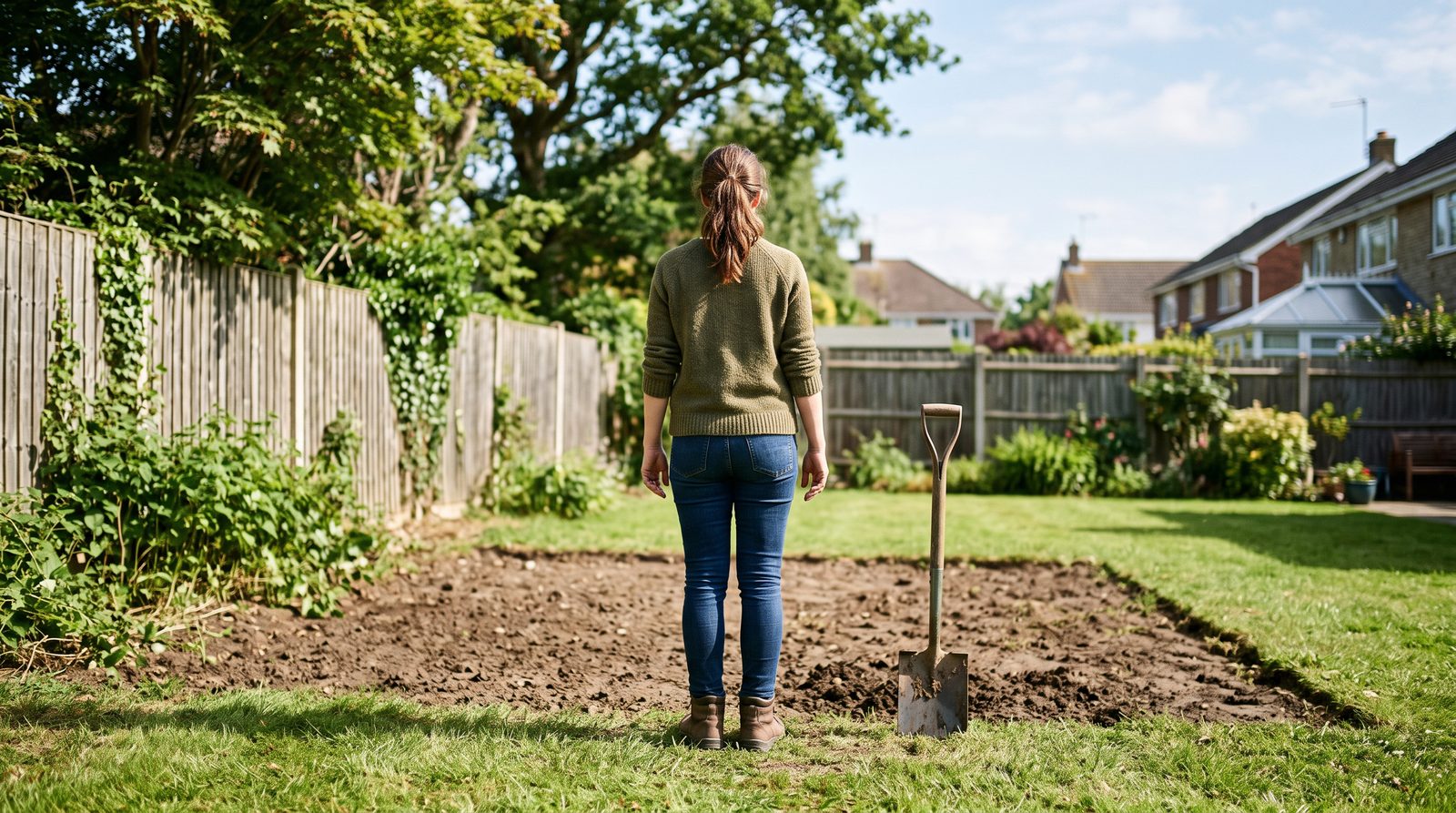
That freeze-up is common, and it has a name in homesteading circles: information overload without a starting point. One reviewer who read The Self-Sufficient Backyard put it plainly, saying they were left “staring at bare dirt” with “no idea what to do first” even after finishing the book.
That is the exact feeling a lot of beginners describe. You read about greenhouses, canning, chickens, and solar power all in one sitting. None of it tells you what to do this Saturday morning.
The problem is not a lack of information. It is a lack of order.
And the worst part is you can spend money and hours on research and still end up exactly where you started: motivated, informed in theory, and unsure which project to tackle first.
Why Most Homesteading Guides Leave Beginners Stuck
Most homesteading content assumes you already know the basics. It jumps straight into advanced canning methods or solar array sizing. Few resources walk a total beginner through sequencing.
That gap has real consequences. One long-running homesteading forum thread on beginner mistakes notes, in general terms, that a poster “can’t count the number of people I have known who have gone under trying to raise large numbers of livestock with virtually no experience.” That comment is about homesteading in general, not a review of any specific book, but it captures the same risk: jumping in without a plan.
You may have already tried reading blogs, watching videos, or buying a different guide. That effort was not wasted. It just did not give you a sequence to follow, which is often the missing piece.
If nothing changes, the risk is not disaster. It is drift. Months pass, the backyard stays empty, and the motivation you had fades.
Here’s What Most People Get Wrong About Homesteading Books
Most people assume a single book should function like a step-by-step manual for their exact yard, climate, and goals. That is an unrealistic bar for any general homesteading guide to clear.
A better way to think about it: a broad guide can work as a map of the territory. It shows you what exists and roughly how the pieces connect. It is not a substitute for hands-on trial and error or specialized instruction in any one skill.
Judged as a map rather than a personalized manual, a book written by people who have actually lived the lifestyle sits in a different category than generic advice. That still does not make it a promised fix for the planning problem.
What The Self-Sufficient Backyard Actually Covers
The Self-Sufficient Backyard is a print and digital guide by homesteaders Ron and Johanna Melchiore. According to the official FAQ page, the book runs roughly 265 to 266 pages and is sold in three formats: physical book only, physical plus digital, or digital only. The price difference between tiers reflects shipping costs for the physical copy, per that same FAQ.
The book’s stated topics include building a year-round greenhouse, setting up water collection systems, running a hybrid grid-plus-off-grid electricity setup, food preservation and canning, more than 75 do-it-yourself projects, a planting calendar, and raising chickens. These are the vendor’s own descriptions of content, not independently verified chapter summaries.
Buyers also get three digital bonuses listed on the vendor’s sales page: The Aquaponic Gardener, DIY Projects from the 1900s, and Where FREE Land Can Still Be Found in the US.
None of this content has been independently reviewed chapter by chapter, so treat the scope description above as the vendor’s own claim about what is inside.
Official offer
Want to review The Self-Sufficient Backyard for yourself?
See the product details, current pricing, and vendor terms before deciding.
Affiliate link · Price, availability, and terms may change.
Who Wrote It, and Why That Matters
Ron and Johanna Melchiore have lived off-grid for more than 40 years, as described in the book’s listing at Mother Earth News. That real-world background is worth weighing separately from the book itself.
A poster on the homesteading forum permies.com, discussing this specific title, framed it this way: buying the book means “buying part of 40 years of this couple’s experience,” as described in a permies.com thread about the book.
That is a meaningful distinction from books written by people who have only researched homesteading rather than lived it. Decades of hands-on experience does not guarantee the book teaches every skill in depth, but it does suggest the advice comes from lived trial and error rather than theory alone.
The Honest Limitation: Broad Coverage, Not Deep Mastery
This is the part most sales pages skip, so it is worth sitting with.
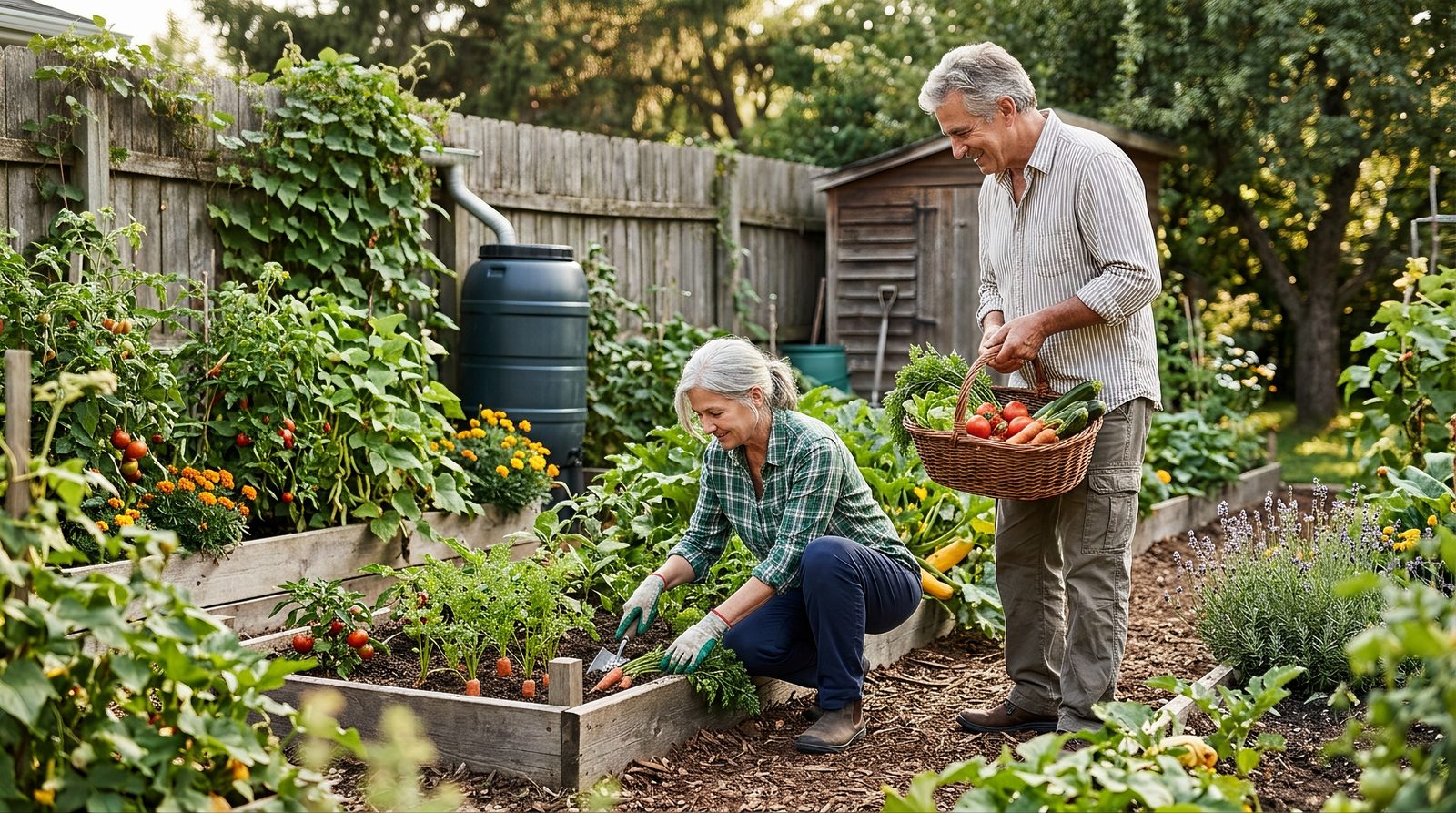
The same reviewer quoted earlier described finishing the book and still feeling stuck, calling it “too much information with no clear order.” They wrote that it does not tell you what to do on a morning when you finally have three hours free and you are staring at bare dirt.
Goodreads reviews echo a similar theme. The book holds a 4.26 out of 5 rating from 148 ratings and 18 written reviews as of this writing. One Goodreads reviewer called it “a nice book, but a bit oversold,” adding that it “gives a rather general overview of things to consider” rather than deep instruction on any one topic.
The permies.com poster mentioned earlier offered a more balanced take, noting that entire books exist on individual topics like canning or beekeeping, but describing this one as “a good primer and diary from ‘them that’s doin’.’”
Put together, the pattern is consistent: broad coverage from real experience, but not a substitute for topic-specific instruction where it matters most, like canning safety or solar system design.
Safety Notes Before You Try the Projects
A book covering greenhouses, food preservation, home electricity, and natural remedies touches several areas where mistakes carry real risk. This is not a criticism specific to this title. It applies to any general homesteading guide.
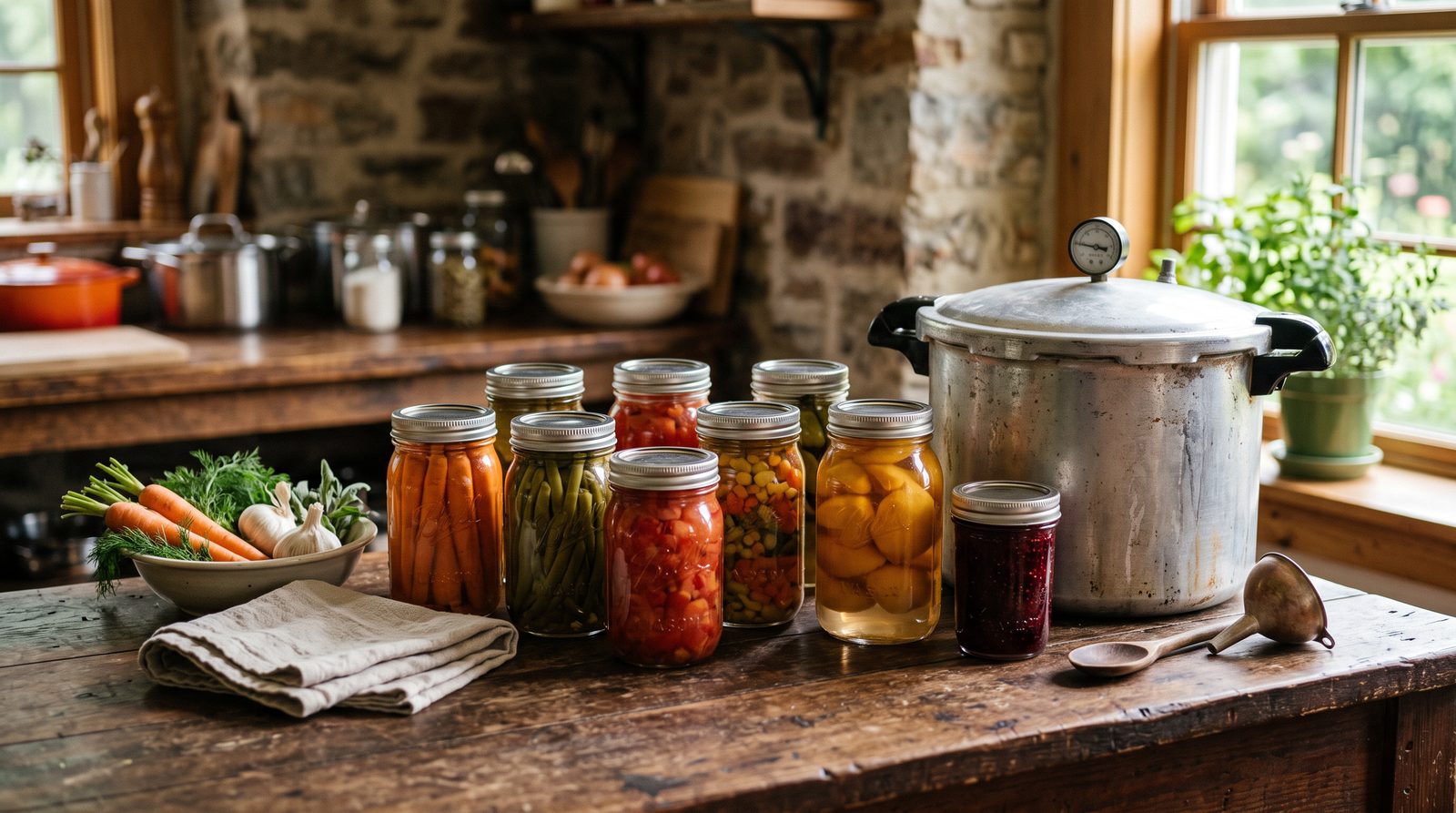
Canning: Low-acid foods such as most vegetables and meats require pressure canning, not water-bath canning, to prevent botulism. Do not treat any single book chapter as sufficient training for a beginner attempting low-acid canning for the first time. The National Center for Home Food Preservation outlines the specific temperature and time requirements involved.
Solar and home electrical work: DIY electrical projects carry real risk of shock, electrocution, and arc-flash injury, and they may need to meet local electrical codes and permitting requirements. The Occupational Safety and Health Administration details common hazards in this kind of work.
Natural remedies and medicinal content: Any homesteading content that touches herbal or natural remedies should be treated as separate from medical advice. This article is not medical guidance, and neither is a homesteading book. The vendor maintains its own disclaimer page, which you can review directly at the official disclaimer page.
Price, Formats, and Refund Policy
The Self-Sufficient Backyard is sold in three formats: physical book only, physical plus digital bundle, or digital only. According to the official FAQ, the price gap between tiers covers the cost of shipping the physical copy, not extra content.
We could not verify an exact dollar price here, because the checkout page loads pricing dynamically and changes over time. Check the current price directly on the official sales page before deciding.
The sales page does display a discount banner and a “today only” style coupon. Treat that as a standard sales tactic rather than a real deadline. These banners commonly persist across many visits over time.
The vendor states a 60-day money-back guarantee applies to the purchase, per its official refund policy page.
Official offer
Considering The Self-Sufficient Backyard?
Check the current offer and refund terms directly on the vendor’s sales page.
Affiliate link · Price, availability, and terms may change.
Who It’s For and Who Should Skip It
This book may fit you if you are new to homesteading, working with a small backyard or lot, and want a broad idea map written by people who have actually lived off-grid for decades. It can help you see the range of projects available before you commit to any one of them.
This is probably not for you if you already know the basics and need deep, step-by-step instruction on one specific skill, such as pressure canning technique or sizing a solar array for your exact power needs. It is also not the right fit if you want a day-by-day action plan rather than a topic overview.
Our Honest Verdict
The Self-Sufficient Backyard’s real strength is where it comes from. Ron and Johanna Melchiore built their knowledge over 40-plus years of actually living off-grid, not from research alone.
Its real limitation is depth and sequencing. Multiple independent reviewers, on Goodreads and elsewhere, describe the book as a broad overview rather than a step-by-step system. That matches the vendor’s own framing of it as a wide-ranging guide covering many topics.
We did not locate independent, book-specific trials or outcome data in the sources checked as of this writing. Ingredient-style verification does not apply here since this is a book, but exact pricing was not independently confirmed either, since checkout pricing loads dynamically.
Given the strength of the authors’ real experience alongside the honest limitation in depth, we cannot rate this as a confirmed fit for every beginner’s exact situation. If you want a wide-angle map of homesteading topics from people who have lived it, weigh that against the fact that you will likely need additional, topic-specific resources for anything safety-critical like canning or electrical work.
Disclosure: This article contains affiliate links. If you purchase through my link, I may earn a commission at no extra cost to you.
Official offer
Ready to take a closer look at The Self-Sufficient Backyard?
Review the complete offer and verify the latest price before making your decision.
Affiliate link · Price, availability, and terms may change.
Frequently Asked Questions
Is The Self-Sufficient Backyard legit, or is it a scam? The book itself is a real, purchasable product from authors with a documented off-grid background. That said, several clone or copycat domains exist online for many ClickBank offers. Only purchase through the official sales page linked in this article to avoid confusion with lookalike sites.
Is it a physical book, a digital download, or both? It is sold in three formats: physical only, physical plus digital, or digital only, according to the official FAQ page.
What is the refund policy? The vendor states a 60-day money-back guarantee applies, per its official refund policy page.
Is this good for a small backyard, or do I need acreage? The vendor markets it toward backyard-scale homesteading rather than large-acreage farming, based on the topics it covers, such as container-friendly greenhouse setups and small-flock chicken keeping.
Does this replace specialist guides on canning or solar power? No. Reviewers describe it as a broad overview rather than deep, single-topic instruction. For safety-critical skills like low-acid canning or electrical work, pair it with dedicated resources like the ones linked in the safety section above.
Leave a Reply