Table of Contents
Does the Medicinal Garden Kit Actually Work? An Honest Review
Disclosure: This article contains affiliate links. If you purchase through my link, I may earn a commission at no extra cost to you.
This article is for information only. It is not medical advice. Talk to your doctor or pharmacist before adding any herb to your routine, especially if you take medication or manage a health condition.
You want to grow something useful. Not just tomatoes or flowers, but plants that might actually help your body feel better.
Maybe you started pricing herbal remedies at the store and winced. Maybe a health scare made you want more control over what goes into your body. Either way, you landed on the same question a lot of beginners land on: can you really grow your own medicine at home, and does a kit like this make it easier or just more expensive?
Why More People Are Trying to Grow Their Own Medicine
The urge to grow your own herbs usually starts with money or worry, sometimes both.
One poster on Houzz put it simply. She was “totally new to planting a medicinal herb garden,” living in South Florida, and had noticed that “certain herbs are very expensive,” so growing her own felt like the practical move (Houzz gardening forum).
For others, the trigger is more personal. Another Houzz member described deciding to “begin using natural herbs to help myself stay healthy” after a rough hospitalization from pneumonia (Houzz forum thread). To be clear, that motivation was about wanting more control over her own health routine going forward. It was not a claim that herbs treat or prevent pneumonia, and neither is this article.
The common thread is not expertise. It’s motivation without a map. People want to start, but they don’t know which herbs matter or where to begin.
And the worst part is, most people give up before the first seedling even sprouts.
What Growing Medicinal Herbs at Home Actually Involves
Beginners run into the same wall almost every time: too many plant choices and not enough confidence to pick.
A beginner on Houzz admitted, “I don’t know anything about gardening… I’m not sure if the information I have so far is right” (Houzz indoor herb thread). Confidence, not soil quality, is usually the missing ingredient at this stage.
That reassurance gap is real. A poster on a homesteading forum described being brand new to the whole thing, “just starting this journey,” and unsure which herbs to focus on first out of dozens of options (Permies forum discussion).
Even people who already garden hit trial and error. A poster on Mumsnet said their coriander died outright while chives thrived, and asked plainly what herbs actually survive outdoors (Mumsnet gardening thread). Another Mumsnet poster, inspired by a gifted lemon verbena plant, wanted more herbs but had limited space and needed direction (Mumsnet chat thread).
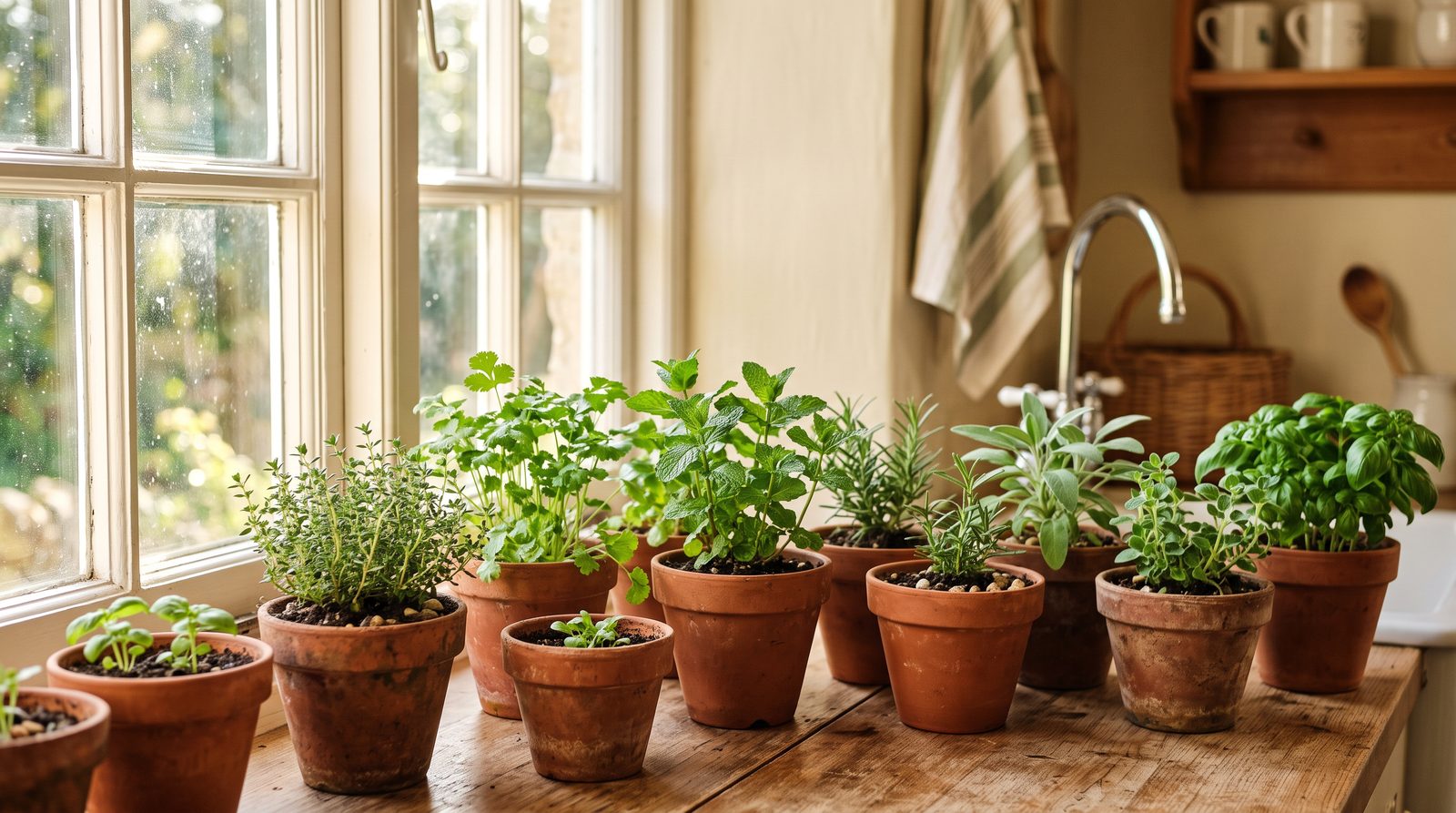
If nothing changes, most beginners either buy random seed packets that don’t suit their climate, or they give up and keep paying full price for dried herbs at the store. That is the real opportunity cost here, not a dramatic health outcome.
What’s Inside the Medicinal Garden Kit
Here’s what most people get wrong about starting a medicinal herb garden. They think the hard part is planting. It’s usually the picking.
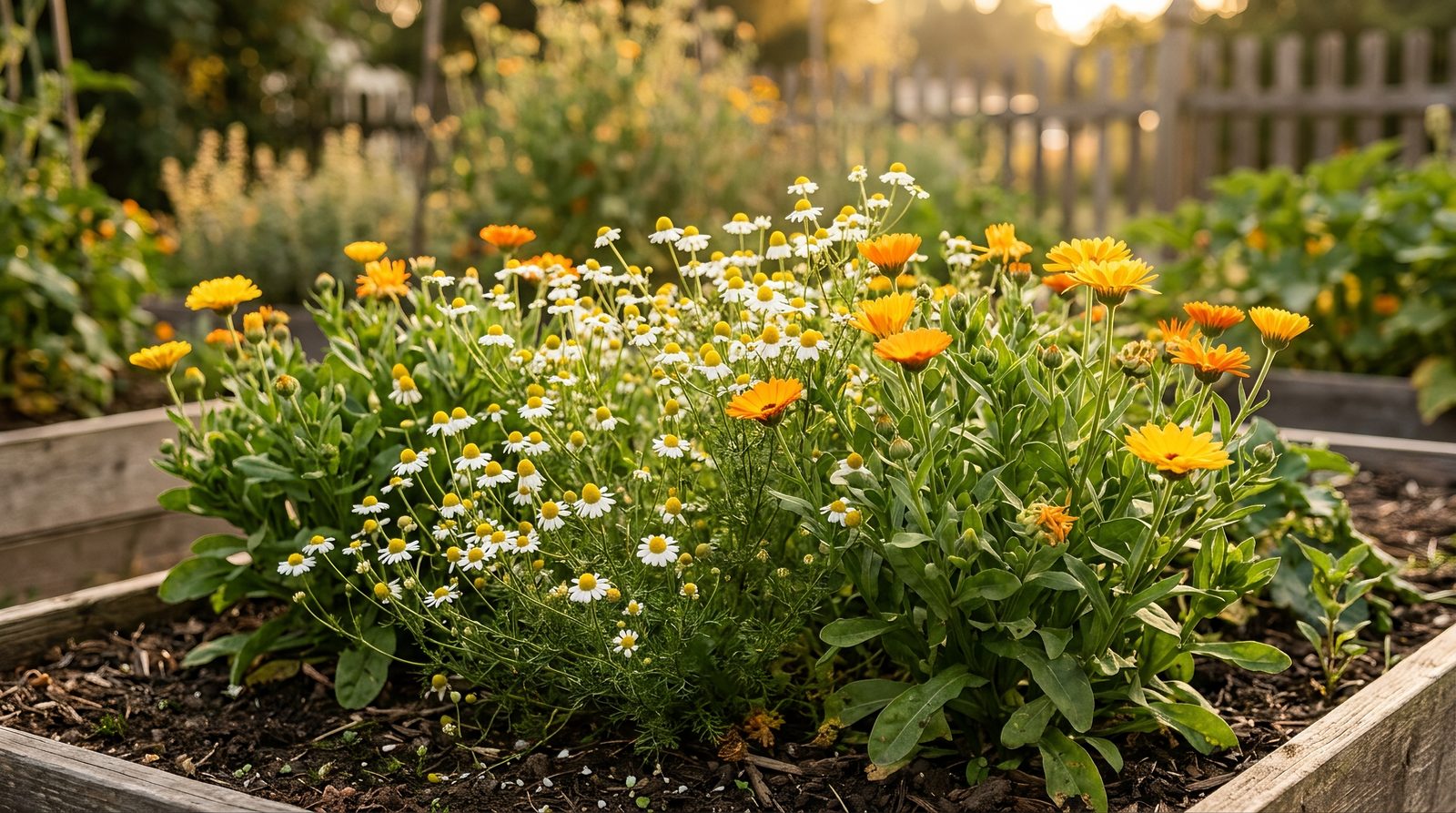
The Medicinal Garden Kit is built around that exact gap. It bundles 10 heirloom, non-GMO seed packets, according to the product’s own listing: California poppy, yarrow, lavender, marshmallow, chamomile, calendula, evening primrose, echinacea, feverfew, and chicory, along with a roughly 70-page growing and usage guide. The kit is created by herbalist and author Nicole Apelian, who is also known for appearing on the History Channel series “Alone.”
That background is a real credential in wilderness skills and herbalism. It is not evidence that the kit will produce a specific health result for you, and this article does not use her personal health story as proof of anything.
Official offer
Want to see what’s in the Medicinal Garden Kit?
See the full seed list, current pricing, and vendor terms before deciding.
Affiliate link · Price, availability, and terms may change.
Does It Actually Work? Folk Tradition vs. Clinical Evidence
This is the part most sales pages skip, so let’s slow down here.
The vendor’s own marketing describes the kit as a kind of “backyard pharmacy.” That phrase is a marketing claim, not a scientific one, and it should be read that way.
According to a critical-thinking review from McGill University’s Office for Science and Society, the herbs in kits like this one draw mainly on folk tradition and preliminary lab or animal research, not large human clinical trials. That does not mean the plants are useless. Herbalism has a long history and some traditional uses do have preliminary scientific interest. It does mean the evidence is much thinner than confident marketing language suggests.
In plain terms: growing these herbs may be a satisfying, low-stakes hobby, but it is not a substitute for diagnosed medical treatment. If you are managing an ongoing condition, home-grown herbs should support your life, not replace your doctor’s plan.
Safety First — Herbs That Can Interact With Medications
This section matters more than any pricing detail, so read it before you plant anything.
Several herbs in this kit can interact with common medications or health conditions. According to NCCIH, feverfew should not be taken during pregnancy and may slow blood clotting (it advises stopping it at least two weeks before surgery), and echinacea may interact with immunosuppressant medications. Others in the kit, such as evening primrose and California poppy, are commonly flagged for possible interactions with blood thinners and with sedatives, respectively.
More broadly, the National Center for Complementary and Integrative Health (NCCIH) notes that herb-drug interactions are a documented, real risk, not a rare edge case, and that interaction data for many herbs is still limited. If you take prescription medication, are pregnant, or manage a chronic illness, talk to your doctor or pharmacist before using any of these herbs.
Home herbs are also easy to misidentify or misuse in the wrong dose. That risk exists with any DIY herbalism project, kit or no kit.
Pricing, Shipping, and the Refund Policy
The kit is priced at $59 as a one-time purchase, with shipping listed separately at around $4.99, per the official product page. The vendor offers a 365-day refund window, according to the same source.
That is a longer return period than most physical products offer, which gives you time to actually grow the seeds before deciding if the kit was worth it. Just remember that a long refund window is a purchasing term, not proof that the product works as marketed.
Official offer
Considering the Medicinal Garden Kit?
Check the current price and 365-day refund terms on the official page.
Affiliate link · Price, availability, and terms may change.
Who the Medicinal Garden Kit Is For (and Who Should Skip It)
This kit is aimed at people who enjoy hands-on gardening and want to learn traditional herbalism as a hobby. If you like growing your own food, keeping a small backyard patch, or reading about plant folklore, the format suits that curiosity.
It is not aimed at people looking for a treatment plan. If you are managing a diagnosed condition, taking regular medication, pregnant, or immunocompromised, talk to your doctor before growing or using any of these herbs, and do not treat this kit as a medical solution.
If you have no interest in gardening itself, a seed kit likely will not hold your attention regardless of what the guide promises.
My Honest Verdict
The Medicinal Garden Kit is a real, tangible product: 10 seed packets and a guide, priced at $59 with a long refund window. Those facts check out against the official listing.
Where it falls short is the gap between marketing language and evidence. Calling anything a “backyard pharmacy” implies a level of proven medical benefit that current research does not support. McGill’s OSS review is blunt about that mismatch, and it is worth reading in full before you buy.
If you’re chasing a hobby in traditional herbalism and hands-on gardening, this kit gives you the physical starting materials for that. If you’re hoping the plants themselves will manage a health condition, the evidence available right now does not support that expectation, and this article does not recommend the kit for that purpose.
Disclosure: This article contains affiliate links. If you purchase through my link, I may earn a commission at no extra cost to you.
Official offer
Ready to take a closer look?
Review the full kit and verify the latest price before deciding.
Affiliate link · Price, availability, and terms may change.
Frequently Asked Questions
Is the Medicinal Garden Kit worth it if I’ve never gardened before? It can work for absolute beginners since the guide covers basic planting steps. Success still depends on your climate and how much attention you give the seedlings, based on the beginner questions seen across gardening forums like Houzz.
What is actually included in the Medicinal Garden Kit ingredients list? Per the official product listing, the kit includes 10 heirloom, non-GMO seed packets (California poppy, yarrow, lavender, marshmallow, chamomile, calendula, evening primrose, echinacea, feverfew, chicory) plus a growing guide. There is no separate supplement or capsule product involved.
Can these herbs replace my current medication? No. None of these herbs are a substitute for prescribed treatment. Some can interact with medication, according to NCCIH, so check with your doctor first.
Does the Medicinal Garden Kit have a refund policy? Yes. The official page lists a 365-day refund window, which is longer than typical for a physical product.
Is there clinical proof this backyard medicinal garden kit works for specific conditions? Not in the way “backyard pharmacy” marketing implies. Independent review from McGill’s OSS notes the underlying herb research is mostly preliminary and traditional, not large-scale human trials.
Leave a Reply