Table of Contents
How to Increase Bone Density Naturally After 50
Medical disclaimer: This article is for general information only and is not medical advice. Bone density changes can involve serious health risks, including fracture. Talk to your doctor before starting any new exercise or supplement routine, especially if you already have osteopenia or osteoporosis.
If you are searching for how to increase bone density naturally after 50, you are probably holding a DEXA scan result right now, or waiting for one. Maybe the number surprised you. Maybe your doctor mentioned osteopenia and you left the office with more questions than answers. This guide walks through what the research actually supports, and where the evidence is still thin.
You Got Your DEXA Results — Now What?
A T-score on paper does not tell you how you feel. It just gives you a starting point.
Some people go straight to Google, searching for anything that sounds natural before considering medication. That instinct is common. Most people asking about non-drug options land on the same starting points: exercise, calcium, and vitamin D.
It is worth setting expectations early. Lifestyle changes are not a promised fix, and they are not a substitute for a doctor’s evaluation. They are one part of a bigger picture that may include your bone density trend, your fracture risk, and sometimes medication. This article focuses on what daily habits can realistically support, based on research from established health organizations.

Move Your Body the Right Way
Exercise is the habit with the most consistent research behind it. Not all exercise works the same way for bone health, though.
Weight-Bearing Exercise
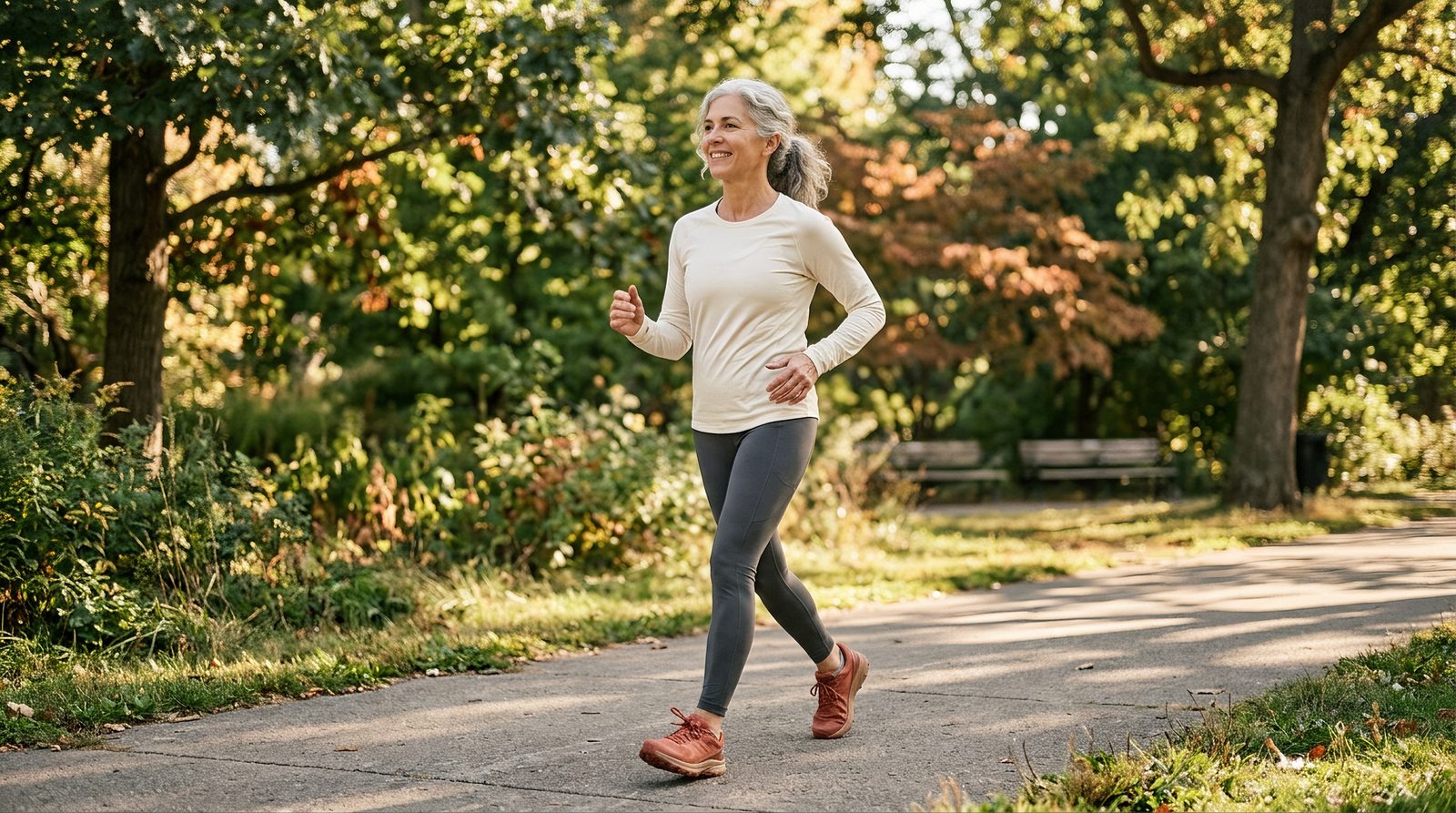
Weight-bearing activities force your body to work against gravity while upright. Walking, dancing, hiking, and stair climbing all count. According to the National Institute of Arthritis and Musculoskeletal and Skin Diseases (NIAMS), weight-bearing and resistance exercise may help build and maintain bone density.
Resistance and Strength Training
Lifting weights, using resistance bands, or doing bodyweight exercises adds mechanical stress that bone tissue responds to. The same NIAMS guidance points to resistance training as a key piece of a bone-health exercise plan, alongside weight-bearing work.
A combined approach tends to matter more than any single exercise type. The Bone Health and Osteoporosis Foundation suggests aiming for a mix of weight-bearing and strength work, roughly 30 to 40 minutes, three to four times a week, though your own plan should be built with a doctor or physical therapist.
Balance and Fall-Prevention Training
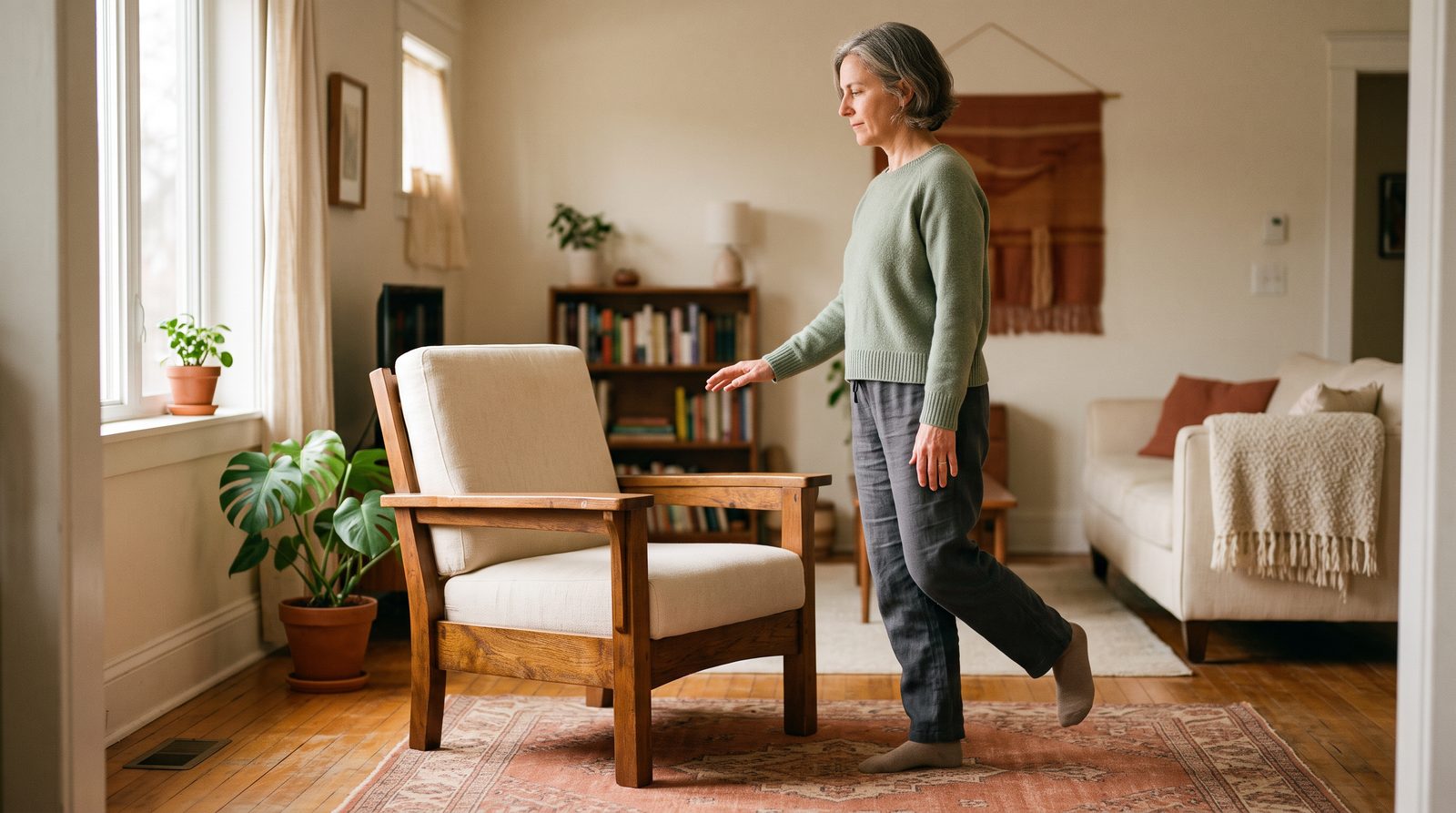
This part gets overlooked. Building bone density matters less if a fall causes a fracture anyway. NIAMS notes that balance and fall-prevention exercises are part of a well-rounded bone health plan, since they may help lower the risk of fractures tied to falls, per the same NIAMS exercise guidance.
One caution here. If your bones are already significantly weakened, jumping straight to heavy lifting can carry its own fracture risk. The Bone Health and Osteoporosis Foundation stresses safe movement matched to your ability for people with low bone density. If your T-score is low, ask your doctor or a physical therapist how much load is appropriate before you start lifting heavier weights.
Feed Your Bones
Diet alone will not rebuild a skeleton, but it gives your body the raw material it needs.
Calcium (Food First)
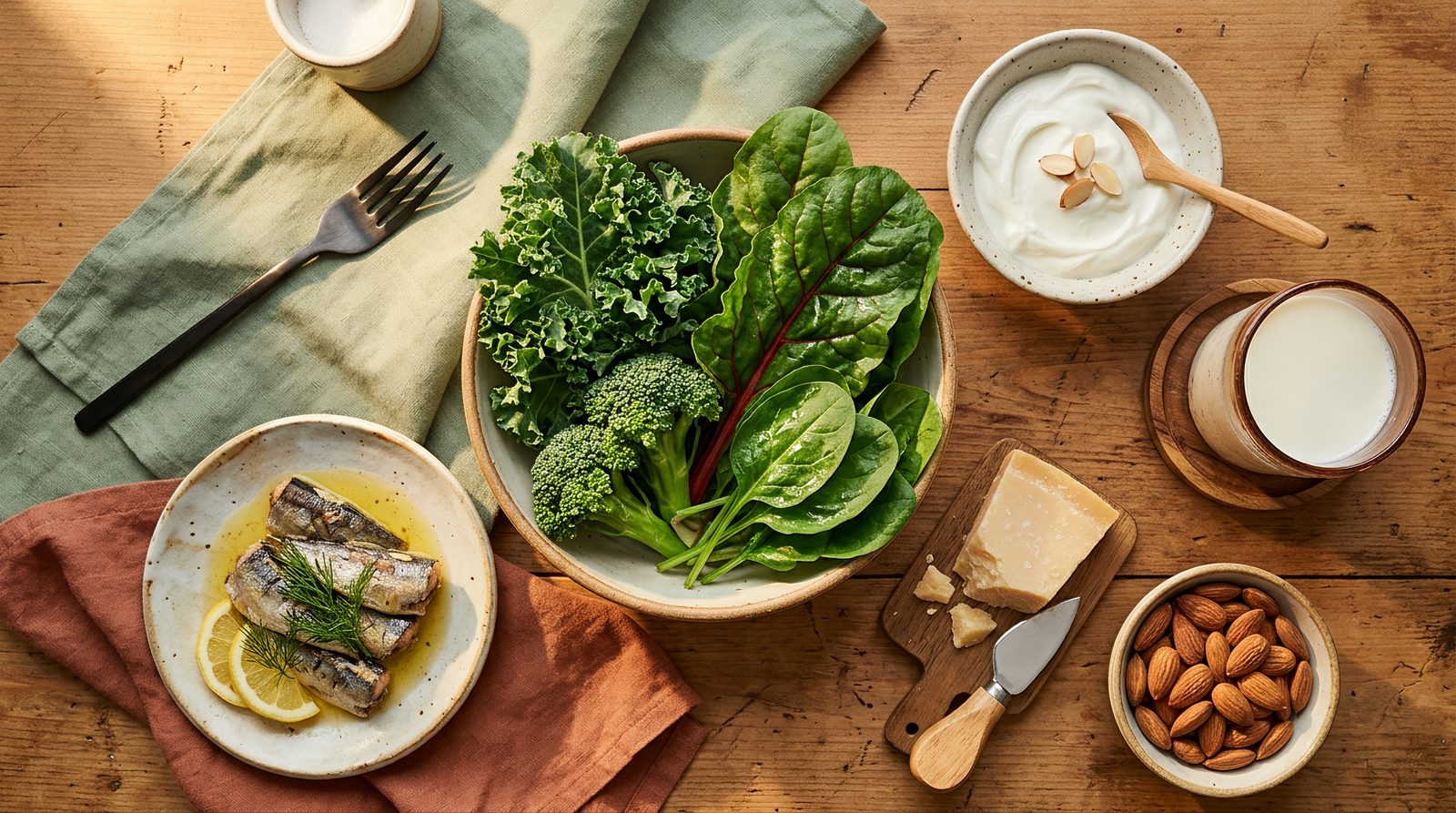
Adults over 50 generally need around 1,200 mg of calcium a day, according to Mayo Clinic. Dairy, leafy greens, canned fish with bones, and fortified foods are common sources. The NIH Office of Dietary Supplements notes that food sources are generally preferred, with supplements used to fill gaps rather than replace meals.
Vitamin D
Vitamin D helps your body absorb calcium. Mayo Clinic’s guidance points to roughly 800 to 1,000 IU a day for adults 50 and older, though your doctor may test your levels and adjust from there, per the same Mayo Clinic guidance. Calcium and vitamin D work together, since vitamin D is what lets your body absorb the calcium you eat.
Protein
Protein is a structural building block for bone, not just muscle. Research summarized by Medical News Today suggests adequate protein intake may support bone health, though it works alongside calcium and vitamin D rather than instead of them.
Vitamin K
This one is genuinely mixed. Some studies suggest a possible link between vitamin K and bone metabolism, but a review published in PMC found the evidence for vitamin K supplementation and fracture prevention is inconsistent. Do not treat vitamin K as a settled recommendation. Talk to your doctor before adding a supplement, especially if you take blood thinners.
Lifestyle Habits That Protect Your Bones
Some habits work against bone health quietly, over years, without any obvious symptom until a fracture happens.
Smoking
Smoking appears to interfere with the cells that build bone and can affect how your body absorbs calcium, according to the same Medical News Today summary. Quitting is one of the more directly actionable changes on this list.
Alcohol
Heavy alcohol use can disrupt the bone remodeling process. Mayo Clinic suggests keeping intake to no more than one drink a day for women, and no more than two a day for men 65 and younger, based on the same Mayo Clinic guidance. Chronic heavy drinking is associated with lower bone density over time.
Common Mistakes That Slow Down Bone Health Progress
A few patterns show up again and again in patient discussions and clinical guidance alike.
Skipping strength training and relying on walking alone is one. Walking is weight-bearing, but it does not load your bones the way resistance training does, based on the combined NIAMS and Bone Health and Osteoporosis Foundation guidance cited above.
Chasing supplements before fixing diet is another. Food-first calcium intake is the standard recommendation from the NIH Office of Dietary Supplements, with supplements as a backup, not a starting point.
A third mistake is assuming genetics make lifestyle changes pointless. That belief comes up often. This objection comes up constantly: does diet and exercise really matter if osteoporosis runs in your family? Genetics does play a role, but it does not remove the value of the habits covered here. It just means results and starting points vary from person to person.
The biggest mistake may be expecting fast results. Bone remodels slowly, and most people should think in terms of a year or longer, not weeks.
When a Structured Program Might Help
Piecing together an exercise plan, a diet plan, and a supplement routine on your own can feel overwhelming. Some people prefer a step-by-step structure instead of building one from scratch.
If you’d rather follow a structured, step-by-step approach instead of piecing this together yourself, we broke down one popular program in our honest review of The Bone Density Solution, including what the evidence does and doesn’t support.
Whatever route you take, run it by your doctor first, particularly if you already have a diagnosis of osteopenia or osteoporosis.
Natural Methods Are a Complement, Not a Replacement
This point deserves its own section because it gets lost easily. Exercise, diet, and lifestyle changes are meant to work alongside medical care, not instead of it.
In patient communities, people often track their T-scores over roughly a year while trying natural approaches. Some see improvement. Others eventually need medication anyway. That range of outcomes is normal, not a sign that lifestyle changes failed.
A realistic way to think about most of these habits is simple. They generally support overall health and may help your bones, even when results vary from one person to the next. None of the habits in this guide claim to reverse osteoporosis or undo bone loss on their own.
If you have been diagnosed with osteopenia or osteoporosis, or if you have a family history of fractures, talk to your doctor before changing your exercise intensity or starting any supplement. Some supplements interact with medications, and some exercises carry real fracture risk for weaker bones.
Frequently Asked Questions
Can you rebuild bone density after 50? Research suggests weight-bearing and resistance exercise, along with adequate calcium, vitamin D, and protein, may help support bone health and slow further loss, according to NIAMS. Whether density measurably increases varies by person, and a doctor can track your specific trend with follow-up scans.
How long does it take to see results? Bone remodels slowly. Most people track changes over a year or more, not weeks.
Which exercise is best for bone density? No single exercise covers everything. NIAMS guidance points to a combination of weight-bearing, resistance, and balance training together, rather than relying on just one type.
Is walking enough on its own? Walking is a weight-bearing activity and counts toward your routine, but the Bone Health and Osteoporosis Foundation recommends pairing it with resistance training for a more complete approach.
Should I take a calcium supplement or get calcium from food? The NIH Office of Dietary Supplements recommends a food-first approach, using supplements only to fill gaps your diet does not cover. Talk to your doctor before starting a supplement, since too much calcium can carry its own risks.
Leave a Reply